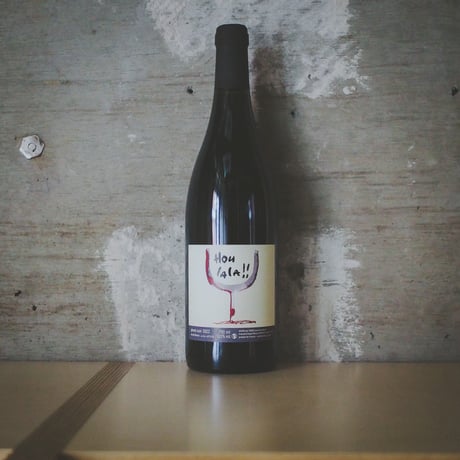
20歳未満の飲酒は法律で禁止されています
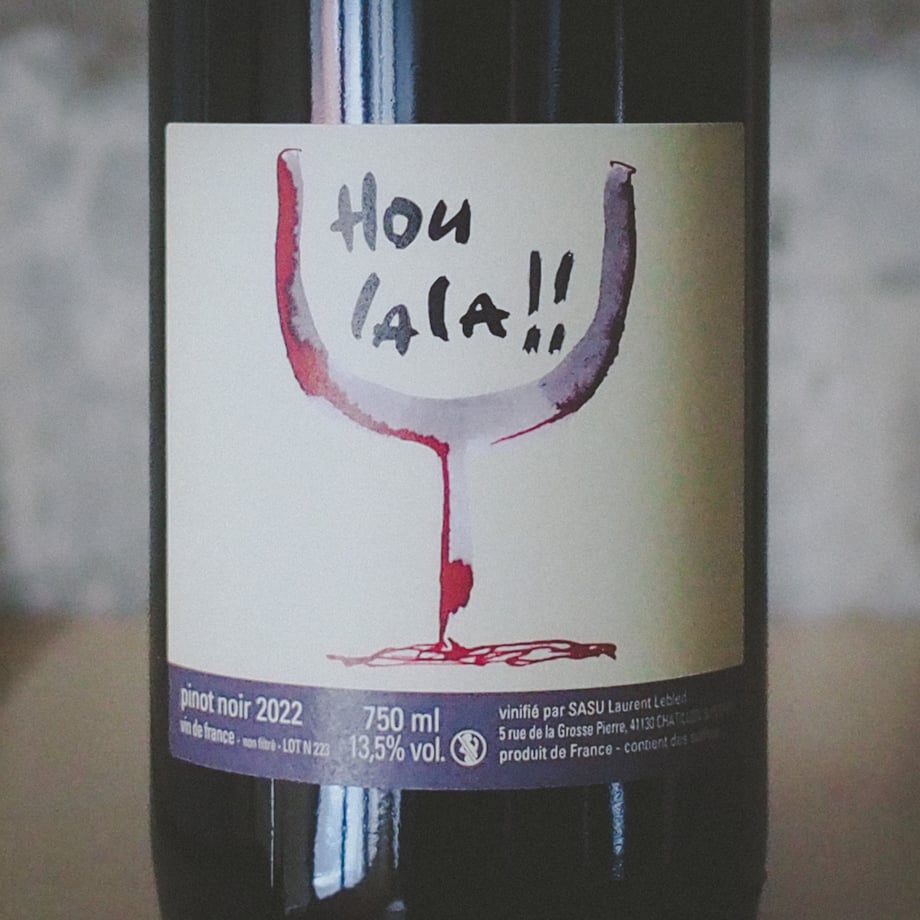
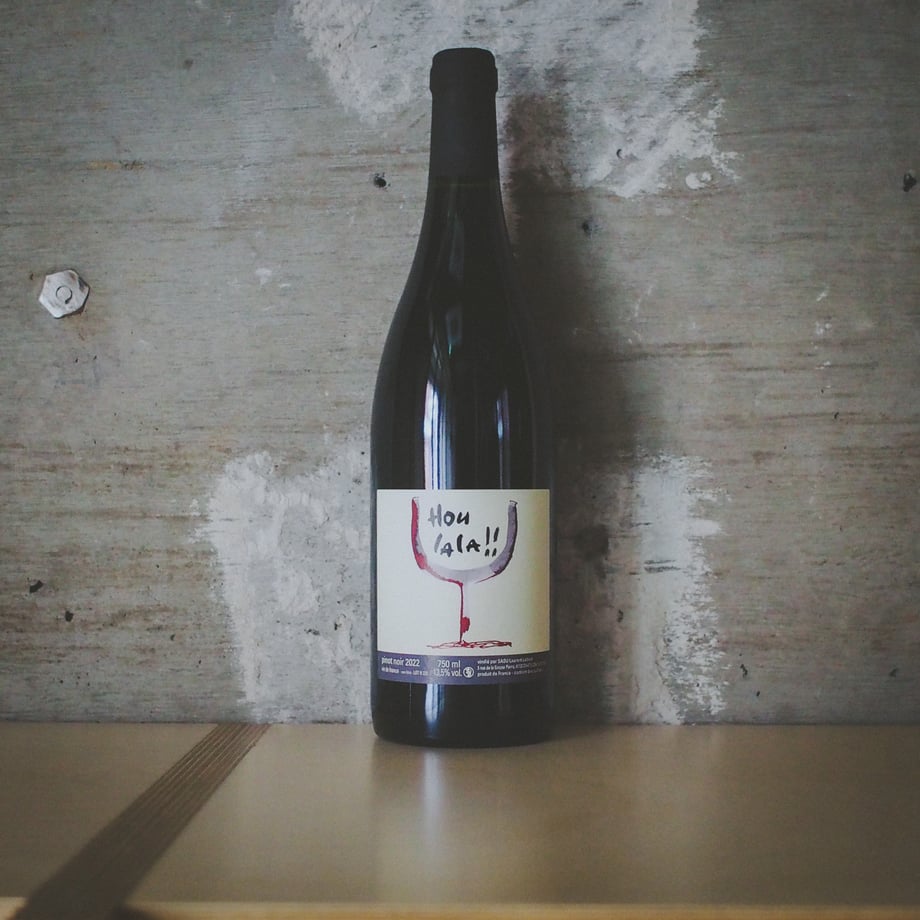
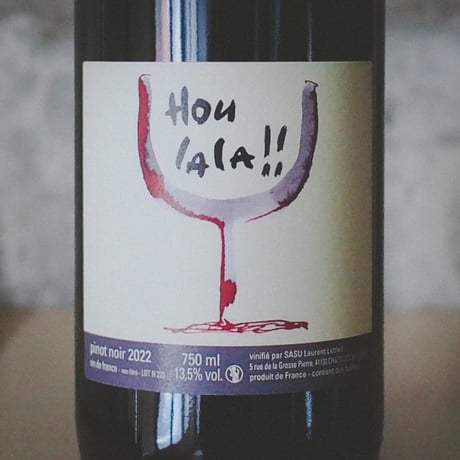
【内容量 NET】750ml
【産地 region】フランスFrance ロワール Loire
【使用品種 variety】Pinot Noir ピノ・ノワール
【タイプ】赤 Red
\\from Importer インポーターコメント//
ウララ=驚き、Wow!なワイン
果実のジャム香、なめらかな口当たりと伸びる果実味、酸味、イチゴや赤系果実が顔を出す、タンニンがこなれるのが楽しみだ!!
Ullala = surprise, Wow!
Fruit jam aroma, smooth mouthfeel and extended fruitiness, acidity, strawberry and red fruits show their face, tannins are looking forward to kneading!
\\about Vigneron 生産者について//
ローラン・ルブレ Laurent Lebled
ロワール地方/トゥーレーヌ地区/サヴィニー・アン・ヴェロン
Loire region / Touraine district / Savigny-en-Veron
「Ca c’est bon!」
●蔵元
ソミュール・シャンピニ出身のローラン・ルブレは、27年間、木材の輸出・卸会社を経営していましたが、自然を感じながら物を作る仕事をしたくなって、2010年7月ワイン造りに転向しました。働きづめの生活から、家族との時間や自分を大切にする、そんな生き方を求めたのです。セバスチャン・ボビネやベルナール・ポントニエ、リュック・セヴィーユという古い友人が、自然派のワインを造っているため、以前から彼らのワインを飲んでいたことが影響したのは当然のことだったのかも知れません。
蔵は、ソミュールとシノン、そしてブルグイユという、ロワールの銘醸赤ワイン産地の中間に位置する「サヴィニー・アン・ヴェロン村」にあります。色々なワイナリーで働いて経験をつみながら、友人達の手助けもあって、その年のワイン造りまでこぎつけました。SO2を全く使わないワインを長年造っている友人達の強力なサポートのお陰で、彼ら同様、SO2無添加のワインを初ビンテージにして仕上げることができました。まさしく「綱渡り」のようなことを突然して怖くなかったのか、と聞くと「全然。親友がナチュラルワインを作っていたのがラッキーだった。昔は誰もがSO2を使ってなかったのだから」とローランは言います。彼らへの感謝の気持ちをこめて、ラベルには友人たちの名前が記載されています。気さくで親睦性が溢れる彼を見ていると、もの凄く信頼できる友人がいるのもうなずけます。
●栽培・醸造
栽培面積は2,2ha環境を大切に、自然のしくみに逆らわないよう化学物質を使わない農業を行います。ビオロジック農業を取り入れて、ブドウの収穫量よりも、地中の生態系も含めた自然全てが健全であることが何よりも大事と考えます。友人が有機栽培するブドウや、アドバイスを受けながら自分自身が精一杯育てたブドウを使うことで、この蔵独特の一風変わったマセラシオン・カルボニックが可能になるのです。
ローランはワイン以外からアプローチしただけに、地元品種であるカベルネの個性であり同時に苦手な部分でもあるピーマンっぽい風味を出さないように苦心した結果、ボジョレーで昔行われていたこの醸造方法を古い書物から見つけました。セメント製の発酵槽の底面に、「スノコ」のように材木を組んで、約15cmの「上げ底」を作ります。ブドウを房丸ごと入れていくと、下の方にあるブドウが潰れはじめます。果汁の液面がスノコの上まで上り果梗に触れそうになると、ポンプでゆっくりと果汁を抜きとります。その果汁は別のタンクに入れて自然な発酵を待ちます。セメント槽内のブドウは約3週間マセラシオン・カルボニック。天然酵母によるアルコール発酵が進み、下部のブドウの粒が徐々に潰れて果汁が流れ出し、液面が上がれば果汁を抜きとる作業を続けます。果汁と果梗が触れないようにして、カベルネ独特の「野菜っぽさ」を移さないという考え方です。
この方法を実行するには、発酵前に「粒選り」のレベルで腐敗果や未熟果を取り除かないと、長期マセラシオンは不可能なので、何よりも優れた原料を選ぶことが欠かせません。3つのワイン全てが、上記の醸造方法で作られている他、ワイン作りの最初から最後までSO2を一切使用せず、ノンフィルターでビン詰めします。
● Winery.
Laurent Lebré, from Saumur-Champigny, ran a timber export and wholesale company for 27 years, but switched to winemaking in July 2010 because he wanted to work making things while feeling nature. He wanted a way of life where he could spend time with his family and take care of himself, instead of working all the time. It was perhaps natural that old friends - Sébastien Bobinet, Bernard Pontonnier and Luc Sevilles - were making natural wines, so drinking their wines for some time had an influence.
The cellar is located in the village of Savigny-en-Veron, halfway between the famous red wine regions of the Loire - Saumur, Chinon and Bourgueil. With the help of friends, I worked in various wineries to gain experience, and with the strong support of friends who have been making wines without SO2 for many years, I was able to finish the first vintage of SO2-free wines, just like them. When asked if he wasn't scared of suddenly walking this very 'tightrope', he replied: 'Not at all. I was lucky that my best friend was making natural wine. In the past, nobody used SO2," says Laurent. To thank them, the names of the friends are listed on the label. His openness and friendliness make it easy to see why he has so many trustworthy friends.
Cultivation and vinification
The vineyards cover an area of 2,2 ha and are farmed without the use of chemicals in order to respect the environment and avoid going against nature's natural mechanisms. The winery uses organic farming and believes that the health of nature, including the underground ecosystem, is more important than the yield of the grapes. Using grapes organically grown by friends and those grown to the best of his ability himself, with the help of advice, allows the winery to produce its unique and unusual maceration carbonics.
Laurent's non-wine approach meant that he struggled to avoid the pimento-like flavour that is both a characteristic and a weakness of the local Cabernet variety, and he found this old Beaujolais vinification method in an old book. A 'raised bottom' of about 15 cm is made at the bottom of a cement fermenter by putting together timbers like 'suncocks'. When whole bunches of grapes are put in, the grapes at the bottom begin to crush. When the liquid level of the juice rises to the top of the sunoko and almost touches the stalk, the juice is slowly drained out with a pump. The juice is then placed in a separate tank to await natural fermentation. The grapes in the cement tanks are macerated and carbonic for about three weeks. Alcoholic fermentation with natural yeasts progresses, the grapes at the bottom are gradually crushed and the juice flows out, and when the liquid level rises, the juice is drained off continuously. The idea is to prevent the juice and the stalks from coming into contact with each other, so as not to transfer the unique 'vegetal' character of Cabernet.
All three wines are made using the above vinification method, as well as a wine-making process that is SO2-free from start to finish and bottled unfiltered. The wines are bottled unfiltered.
その他のアイテム
-
- ブルノ・デュシェン "アヤ" | Bruno Duchene "AYA" 2024
- ¥6,600
-
- ブルノ・デュシェン "オダン" | Bruno Duchene "Odin" 2025
- ¥6,600
-
- レ・イポグリフ "ミュルミュラシィオン" | Les Hyppogriffes "MURMURATION" 2024
- ¥4,620
-
- レ・ゴーシェ "ラルバトロス" | Les Gauchers "L’Albatros" 2023
- ¥5,280
-
- ブルノ・デュシェン "マルテス・ブラン" | Bruno Duchene "Corpo Maltesse Blan" 2025
- ¥7,700
-
- ドゥ・ヴァン・オー・リアン "ア・オリゾン" | Du Ⅴin Aux Liens "A L'HORIZON" 2023
- ¥5,940