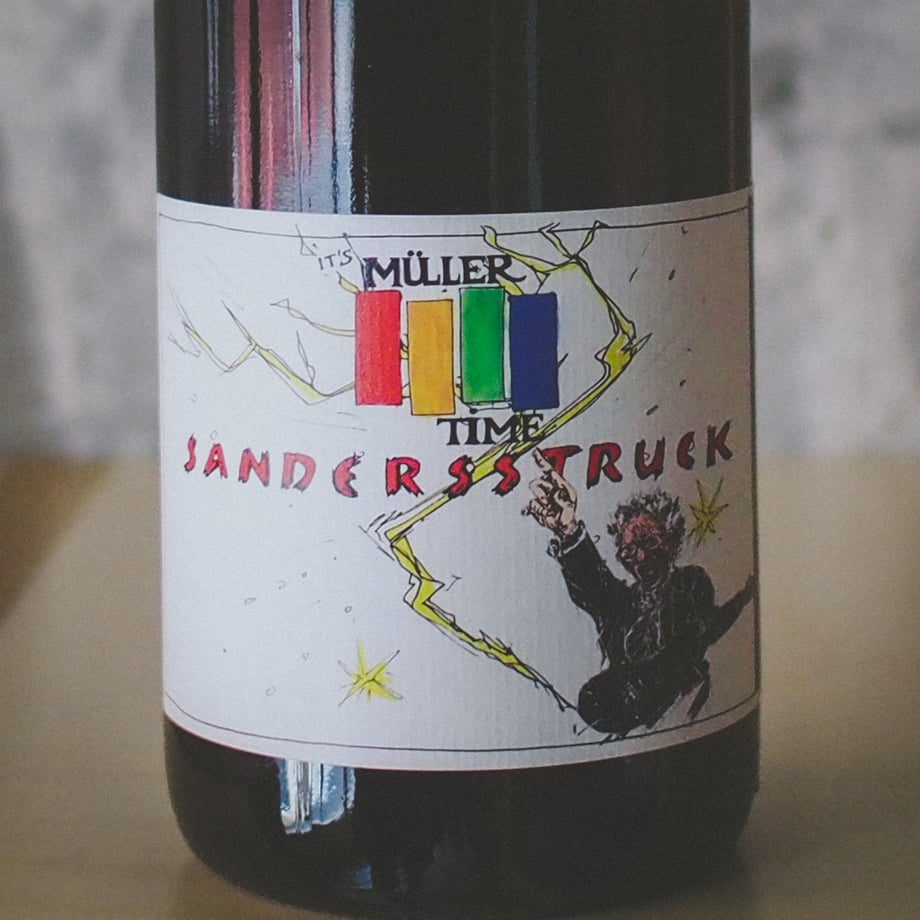
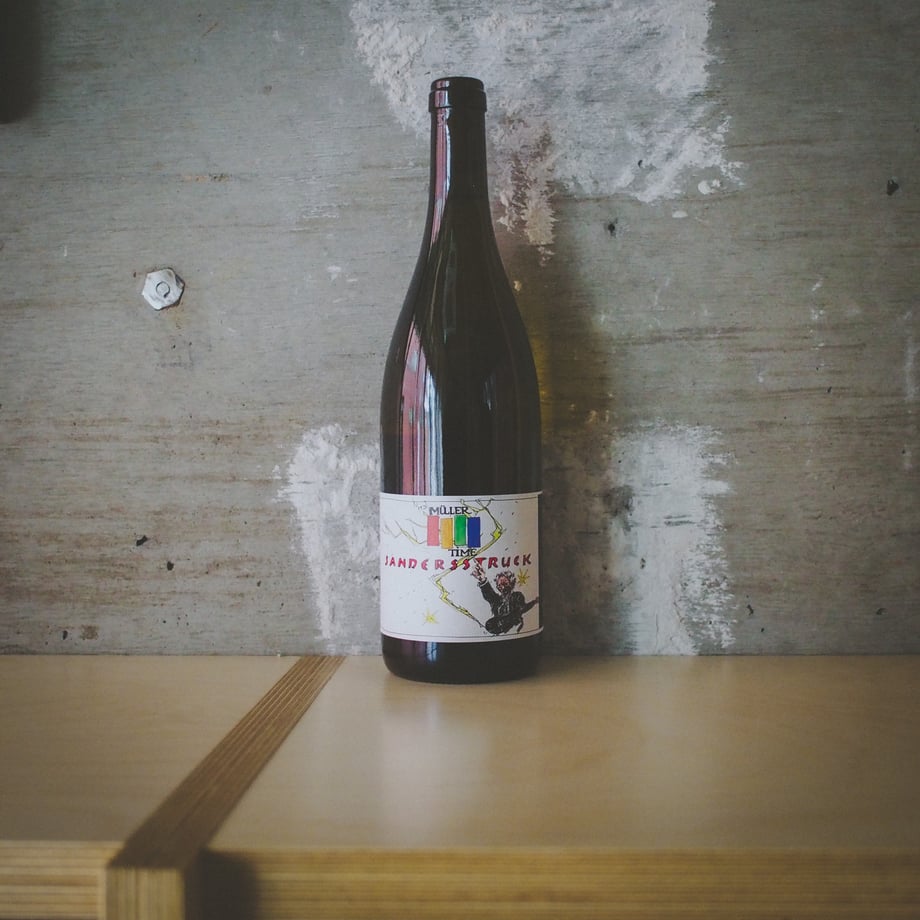
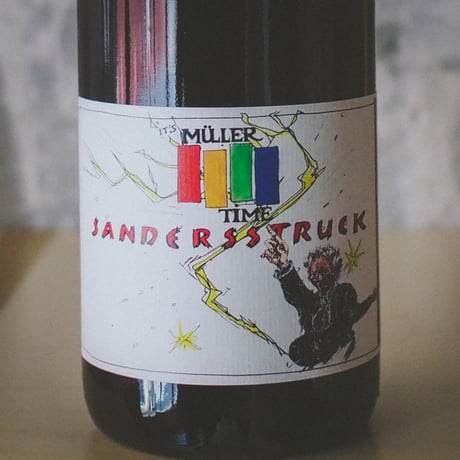
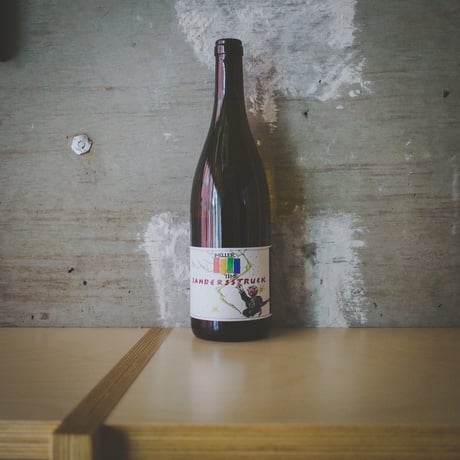
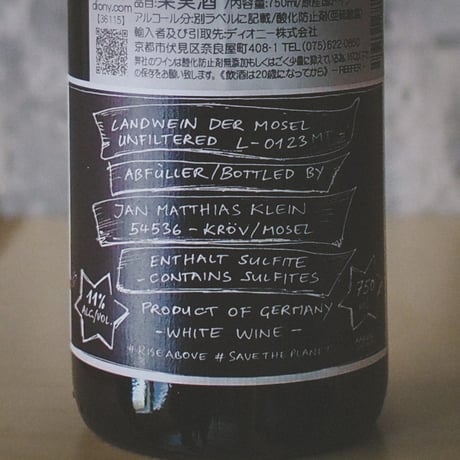
ヤン・マティアス・クライン "ミュラータイム サンダーストラック" 2022 | Jan Matthias Klein "Muller Time Sanderstruck" 2022
4,180円
20歳未満の飲酒は法律で禁止されています
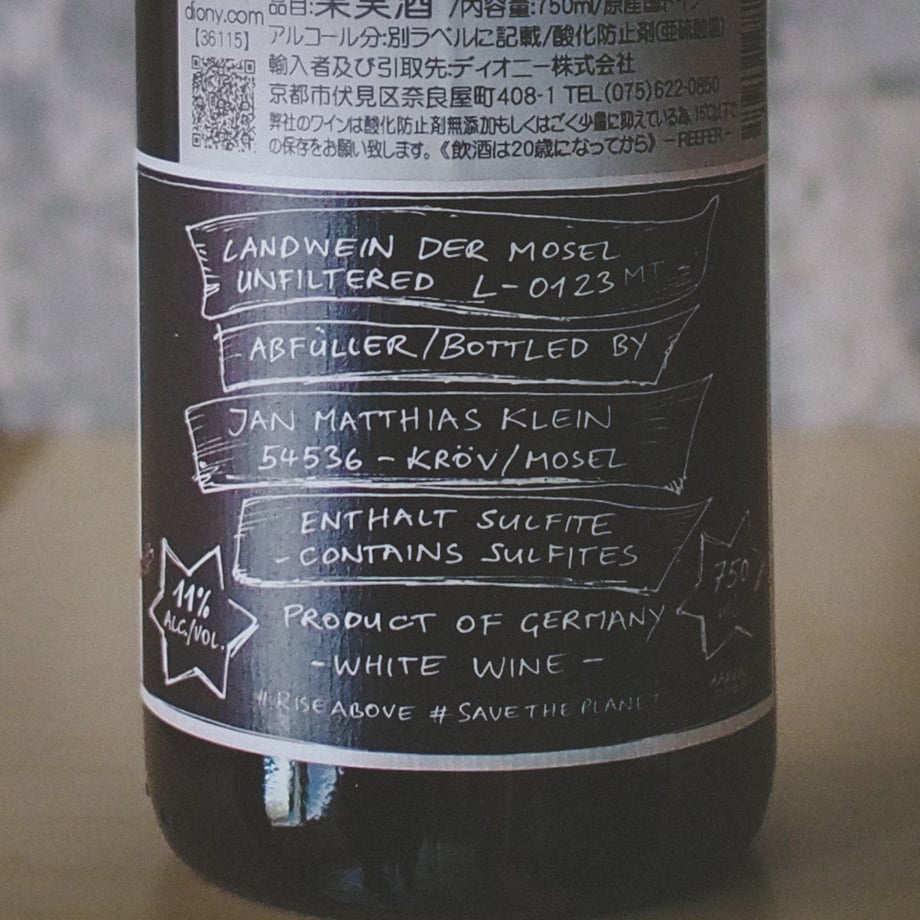
【内容量 Net】750ml
【産地 region】ドイツ Germany、モーゼル Mosel
【品種 variety】ミュラートゥルガウ Muller-Thurgau 100%(手摘み/平均22年・35年)
【タイプ type】白・辛口 white, dry
【製造 vinification】1/4は除梗し、2週間醸し
3/4は直接圧搾後、 ステンレスタンクで発酵・熟成
1/4 destemmed and vinified for 2 weeks
3/4 directly pressed, fermented and matured in stainless steel tanks
\\from Importer インポーターコメント//
ミュラートゥルガウ1/4は2週間醸し、3/4は直接圧搾しステンレスタンクで発酵・熟成しました。
オイリーな粘性のあるグリーンカラー、 リンゴや洋梨コンポート、白桃、フローラル、バラのアロマティック な香り、ドライなアタックにやや高めの酸味、口中にフローラルとリ ンゴの香りが拡がった後、火打石やミネラリーな塩味の味わいが溢れます。
One quarter of the Muraturgau was vinified for two weeks and three quarters was directly pressed, fermented and matured in stainless steel tanks.
Oily, viscous green colour, aromatic nose of apple and pear compote, white peach, floral and rose aromas, dry attack with slightly high acidity, floral and lingo notes on the palate, followed by flint and mineral saline flavours.
\\about Vigneron 生産者について//
Jan Matthias Klein ヤン・マティアス・クライン
ドイツ、モーゼル地方の中部モーゼルに位置するベルンカステラル・ヴィットリッヒ地区の歴史ある村Kröv(クレフ)、栄えあるモーゼルの中でも特にその名を知られている畑や生産者がひしめいている重要地区の生産者。
フランクフルトからちょうど真西に150km、アルザスのストラスブールから北北西に約240kmの位置にある村です。 歴史あるこの地域で非常に長い歴史を誇るワイナリーの若き現当主が革新的な試 みを始めました。
ヤン・マティアス・クライン、1977年生まれ。
ヤンはシュタッフェルター・ホフという862年創業、1100年以上の歴史を誇るドイツ最古のワイナリー、かつ世界最古の会社の一つとして名を連ねるワイナリーを所有する ファミリーに生まれました(ウィキペティアにも載っています)。
ヤンが家族のワイナリーで本格的に働き始めて15年をこえます。ヤンの父親は1960年代から除草剤や農薬の使用に疑念を持ちこの地域では珍しくオーガニックでの栽培を開始しました。父の意思を引き継ぎビオロジック栽培を徹底し、2012年に全ての畑においてビオの認証を受けております。
そして2014年より醸造においてももっとストイックに酸化防止剤の使用を抑えることに努め始め(この土地では皆無です)、シュタッフェルター・ホフ名義のカテゴリーも担当しながらもまた別で自らの名前ヤン・マティアス・クラインを冠した新しいプロジェクトをスタートさせました。これはシュタッフェルター・ホフのスタイルとは全く異なり、またモーゼルの典型的なスタイルとも全く異なります。収穫してブドウを絞るところまでは両カテゴリーに大差はないのですが、彼に言わせると違いはいたってシンプル、3点のみだといいます。
1 濾過しない
2 清澄しない
3 亜硫酸を添加しない
家族の所有する畑は約10ha。 リースリング75%、ミュラートルガウ10%、ソーヴィニヨンブラン4%、ピノノワール5%、残りはポルトギーザ―、ミュスカ、ゲレントが植わっております。
この畑の中から選りすぐった区画2.5haのブドウ畑からヤンのワインは造られます。1haに満たない場所もありますので生産本数もキュヴェにより2,000本から 10,000本程という少量生産になりますが、ヤンのやりたいことが目いっぱいに詰まった新しいモーゼルスタイルと言えます。
この土地の土壌はグレーまたはブルーのシーファーボーデンと呼ばれるスレート粘板岩の風化した土壌で、香り、味共に印象豊かなワインを生み出 します。時に粘土質や石灰が混ざる区画もありますが、石灰質の混在しない土壌は、リースリングに類のないミネラリティをもたらします。
急斜面の畑上部からこの村を見下ろすと、全ての家々の屋根がすべて青黒いものばかりだった事はとても印象に残っています。スレートは日中の陽光を吸収し夜間にゆっくりとブドウ樹に放出し、また陽光から素早くしっかりと熱を吸収して温まりやすく、 保温力が大きいのが特徴です。
モーゼルはナチュラルワインを造るにはおそらく最も最適な土地の一つだとヤンは考えています。土地のPHが低く、この温暖化の時代に今も冷涼な 気候が維持されているためです。常にどんなシーズンもブドウ樹の健康を維持すること、化学的アプローチは一切用いず自然の摂理に許された方法 でのみアプローチすることが重要で、それこそが畑における最大のチャレンジだといいます。
彼のワインのキュヴェ名は全て、ちょっと笑ってしまうような、たまには現代社会の皮肉のような、そして彼のユーモアがたっぷり表現された名前になっています。
ニルヴァーナの曲をワイン名に使っていることからもわかるように、彼は10代の頃から大のグランジやミクスチャーロック好き。特にレイジ・アゲインスト・ ザ・マシーン、ビースティ・ボーイズ、メタリカなどがフェイバリットだったようで、このあたりの感覚がラベルの表現のベースになっているのでしょうか!? 今の趣味は、ワイン以外では美味しいものを食べる事、家族や友人と一緒に過ごす事と優等生的な発言が返ってきましたが、彼のカーヴの横に は酒場兼ライブハウスが併設されており、今でもバンドを呼んではライブ・パーティも行っているようです。
862年続く偉大な歴史を引き継ぐ事は相当なプレッシャーだったようです。長く長く続くファミリーの未来の階段をこれからは自分が築いていく、この誇らしく素晴らしいチャレンジと重圧を40代となり抱きしめることができるようになったそうです。だからこそ、この歴史あるモーゼルの地でナチュラルワインの 新しい歴史の1ページをも書き始めることができたのでしょう。
【モーゼル地方について】
モーゼル川、ザール川、ルーヴァー川流域のワイン生産地は、ドイツで最も古い産地として知られています。かつてローマ人がブドウ栽培の技術を
大々的な形でモーゼル地方にもたらしました。伝統的なリースリング栽培地として高い名声を誇り、特に高品質のリースリングは国際的に評価が高 く、同地方の名声を支えて来ました。ドイツで5番目に大きなワイン生産地で、世界的にも急斜面のブドウ畑が最も多く分布している地域です。
モーゼル地方は、ペルルからコブレンツに至る、モーゼル川のドイツ国内部分である243kmにわたる流域のほか、その支流であるザール川、ルーヴァー川流域に及ぶ一帯です。
同地方は6つのベライヒに分かれています。下モーゼル流域のブルク・コッヘムというベライヒは、現在ではテラッセンモー ゼルと呼ばれ、ブドウ栽培は主にテラス式の畑で行われています。ベルンカステルと呼ばれるベライヒは中部モーゼルと言われる、同地域の中心をなす一帯で、有名なワイン村や名高いブドウ畑が集中しています。トリアの南からは、オーバーモーゼルと呼ばれる一帯になります。
モーゼルの谷は天候に守られた地域で、寒さが厳しいドイツの中では最も温暖なゾーンのひとつに数えられます。川沿いのスレート土壌の急斜面の ブドウ畑は、日中に太陽の熱を備蓄し、夜間に放熱します。気温は安定しており、冬は適度に寒く、夏は心地よい暑さで、充分な降水量があります。年間平均気温は約10°Cあり、北緯50度辺りの温暖な気候ゆえに、モーゼル地方の生育期間は4月から10月まで、非常に長期間にわたりま す。ブドウの成熟を11月まで待つことが可能な年もあります。
オーバーモーゼルのドイツ、フランス、ルクセンブルク3国の接する地点から、ザール川上流のコンツの辺りまではムッシェルカルク土壌、コイパー土壌が 主体で、ブルグンダー系品種や土着品種のエルプリングにふさわしい底土となっています。シュヴァイヒからコブレンツまで、そしてザール川、ルーヴァー 川流域はスレート土壌です。
中部モーゼル、テラッセンモーゼル一帯、ならびにザール川、ルーヴァー川流域では、主にリースリングが栽培されています。リースリングは、地中深くまで根を張り、痩せた土壌から充分なミネラリティとフィネスを引きだします。リースリング以外の品種も栽培され、リヴァーナーは次に重要な品種といえま す。 栽培面積が増えているのがヴァイスブルグンダー、グラウブルグンダー、オーセロワ、シャルドネで、石灰質土壌の畑で素晴しいワインを生み出していま す。赤ワインにおいては、80年代後半からシュペートブルグンダーとドルンフェルダーがモーゼル川、ザール川、ルーヴァー川流域で栽培されるようになっ ています。
Kröv, a historic village in the Bernkastelal-Wittlich district in the central Mosel region of Germany, and a producer in an important area of the prosperous Mosel region where the vineyards and producers are particularly well known.
The village is located 150 km just due west of Frankfurt and about 240 km north-northwest of Strasbourg in Alsace. The young current owner of this winery, which has a very long history in this historic region, has begun to experiment with innovation.
Jan Matthias Klein, born in 1977.
Jan was born into a family that owns Staufferter Hof, the oldest winery in Germany, founded in 862, and one of the oldest companies in the world with over 1100 years of history (as listed on Wikipedia).
Jan has been working full time in the family winery for over 15 years now. Jan's father was suspicious of the use of herbicides and pesticides in the 1960s and began organic viticulture, a rarity in this region. Following in his father's footsteps, the vineyards were all certified bio-organic in 2012.
In 2014, he started to work more stoically to reduce the use of antioxidants in the vinification (none in this region) and started a new project under his own name, Jan Matthias Klein, although he is also responsible for the category under the name Staufferter Hof. This is a new project under his own name, Jan Matthias Klein. This is completely different from the Staufferter Hof style, and also completely different from the typical Mosel style. There is not much difference between the two categories until the grapes are harvested and strained, but he says there are only three simple differences.
1 No filtration
2 No fining
3. No added sulfites.
The family owns approximately 10 hectares of vineyards. 75% Riesling, 10% Müller-Thurgau, 4% Sauvignon Blanc, 5% Pinot Noir, and the rest Portogaiser, Muscat, and Gelento.
Jan's wines are made from a selected 2.5 hectare parcel of this vineyard, which is less than 1 hectare, so production is small, from 2,000 to 10,000 bottles depending on the cuvée, but it is a new Mosel style filled to the brim with what Jan wants to do. It can be said that this is a new Mosel style filled to the brim with what Jan wants to do.
The soils here are weathered slate slabs called Schieferboden, which are gray or blue in color, and produce wines that are impressive in both aroma and taste. The soils are sometimes mixed with clay or lime, but the limestone-free soils provide a minerality unmatched in Riesling.
Looking down on the village from the top of the steep vineyard slopes, I was struck by the blue-black roofs of all the houses. Slate absorbs sunlight during the day and slowly releases it to the vines at night.
Jan believes that the Mosel is perhaps one of the best sites for producing natural wines. The low pH of the land and the cool climate still prevail in this time of global warming. The greatest challenge in the vineyard is to maintain the health of the vines at all times and in all seasons, and to approach the vineyards only as nature allows, without any chemical approaches.
The names of his cuvées are all slightly funny, sometimes ironic to modern society, and expressive of his sense of humor.
He has been a big fan of grunge and mixed rock since he was a teenager, as evidenced by his use of Nirvana songs as wine names. In particular, Rage Against the Machine, Beastie Boys, and Metallica were his favorites, and this feeling may be the basis of the expression on the label! He also has a bar and live music club next to his carve, where he still invites bands and holds live parties.
It seems that there was a lot of pressure to take over the great history that has continued for 862 years. Now that he is in his 40s, he is able to embrace this proud and wonderful challenge and pressure of building the future staircase of a long and long-lasting family. That is why he was able to start writing a new page in the history of natural wine in the historic Mosel region.
About the Mosel Region.
The wine-growing regions of the Mosel, Saar, and Louvre river basins are known as the oldest wine-growing regions in Germany. In the past, the Romans brought viticultural technology to the Mosel region in a major way.
brought the art of viticulture to the Mosel region in a big way. The region's reputation as a traditional Riesling-growing region, especially for its high-quality Rieslings, is internationally renowned. It is the fifth largest wine-growing region in Germany and has the largest concentration of steep-slope vineyards in the world.
The Mosel region encompasses the German portion of the Mosel River from Perle to Koblenz, a 243-km stretch, as well as its tributaries, the Saar and the Louvre.
The region is divided into six belaichs. The Berich called Burg Kochem in the Lower Mosel basin is now called Terrassenmosel, where viticulture is mainly carried out in terraced vineyards. Berreich, also known as Bernkastel, is the heart of the Central Mosel, a region with a concentration of famous wine villages and renowned vineyards. From the south of Trier, the region is known as the Obermosel.
The Mosel valley is a weather-protected region and one of the warmest zones in cold Germany. The steep slopes of the vineyards on slate soils along the river store the sun's heat during the day and release it at night. Temperatures are stable, with moderately cold winters, pleasantly hot summers, and ample rainfall. With an average annual temperature of about 10°C (50°N), the Mosel region's mild climate allows for a very long growing season, from April to October. In some years it is possible to wait until November for the grapes to ripen.
From the border of Germany, France and Luxembourg on the Obermosel to the area of Konz on the upper Saar River, the soils are predominantly Musselkalk and Koiper soils, which are suitable substrates for Burgundian and indigenous Elpring varieties. From Schweich to Koblenz and along the Saar and Louvre rivers, the soils are slate.
In the Central Mosel and Terrassen-Mosel regions, as well as in the Saar and Louvre river valleys, Riesling is the main grape variety grown. Riesling has deep subterranean roots and brings sufficient minerality and finesse from the poor soils. Other varieties are also grown, with Rivner being the next most important. Increasingly, Weißburgunder, Grauburgunder, Auxerrois, and Chardonnay are being grown in the vineyards on calcareous soils to produce excellent wines. In red wines, Spatburgunder and Dornfelder have been grown in the Mosel, Saar, and Louvre river valleys since the late 1980s.
その他のアイテム
-
- アドリアン・ブリソー "リュリー・ラ・ペルシュ" | Hadrien Brissaud "Rully La Perche" 2024
- ¥17,600
-
- ラ・ヴィーニュ・デュ・ペロン "エルミチュール" | La Vigne du Perron "Ermitures" 2023
- ¥8,800
-
- ジャン・クリストフ・ガルニエ "ルシュフェール” | Jean-Christophe Garnier "ROUCHEFERT" 2024
- ¥6,160
-
- サン・ピエール(ファブリス・ドダン) "シャトー・ルナール" | Saint Pierre【Fabrice Dodane】"Chateau Renard" 2022
- ¥13,200
-
- アドリアン・ブリソー "ブルイィ・レ・ビュイドン" | Hadrien Brissaud "Brouilly Les Buidons" 2023
- ¥9,020
-
- ジャン・クリストフ・ガルニエ "ラ・ロッシュ・ベジゴン” | Jean-Christophe Garnier "LA ROCHE BEZIGON" 2024
- ¥6,820