
20歳未満の飲酒は法律で禁止されています
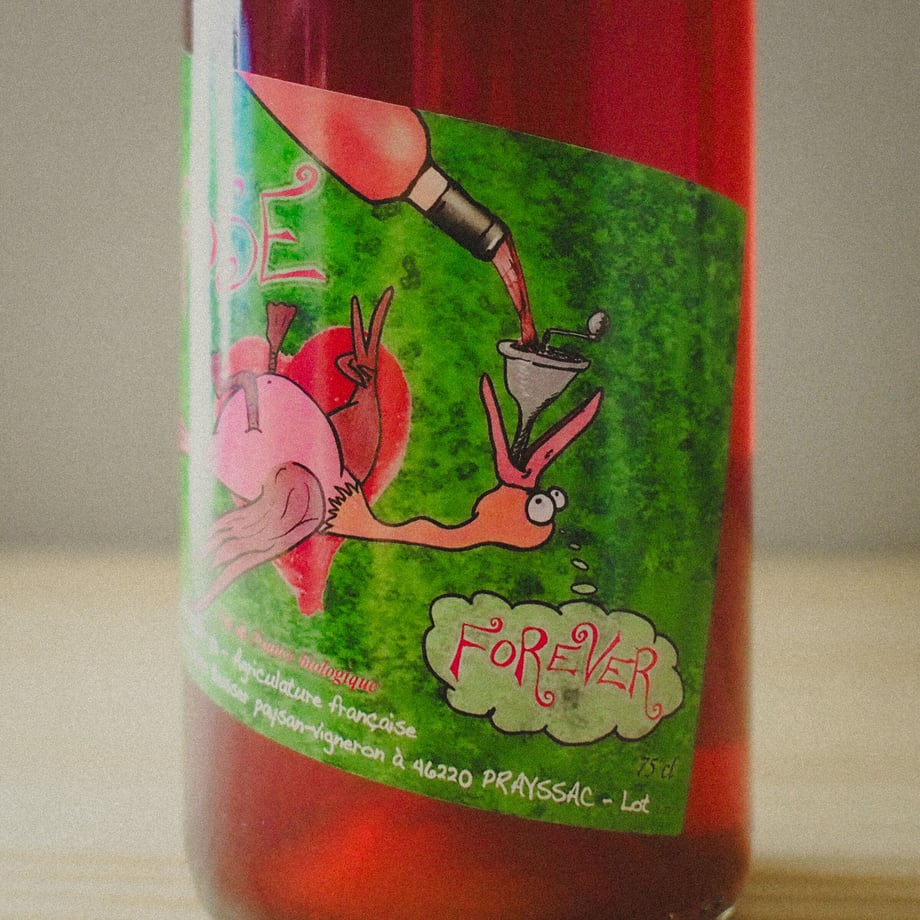
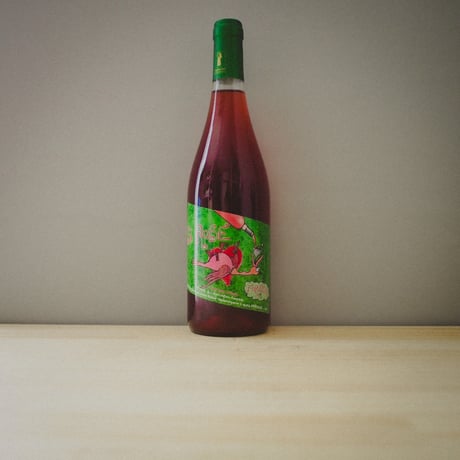
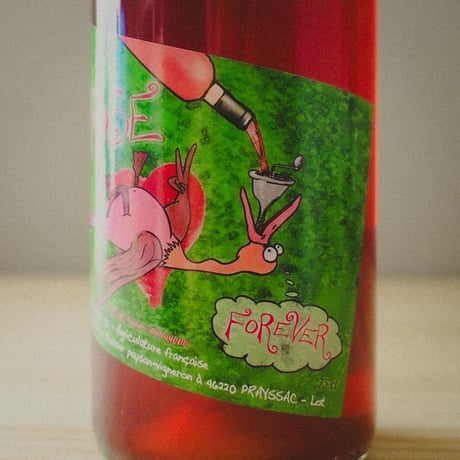
【内容量 content】750ml
【産地 region】フランス France/南西地方 カオール Sud Ouest Cahors
【品種 variety】マルベック Malbec
【タイプ type】ロゼ, rosé
\\from Importer インポーターコメント//
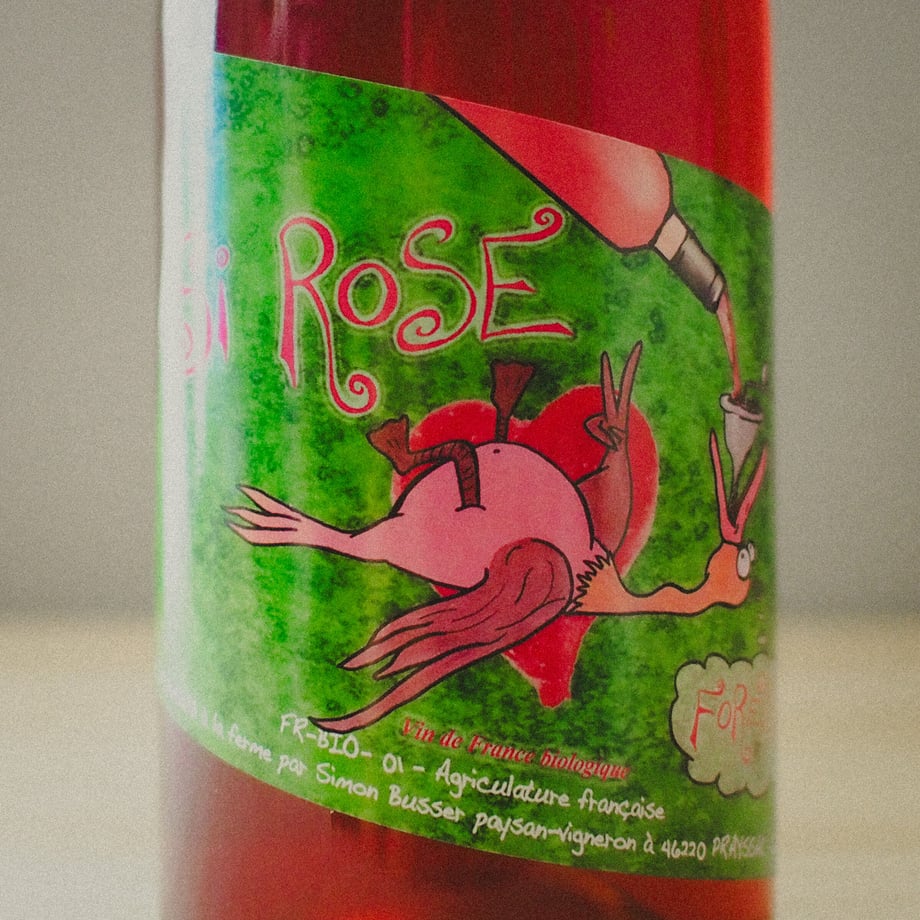
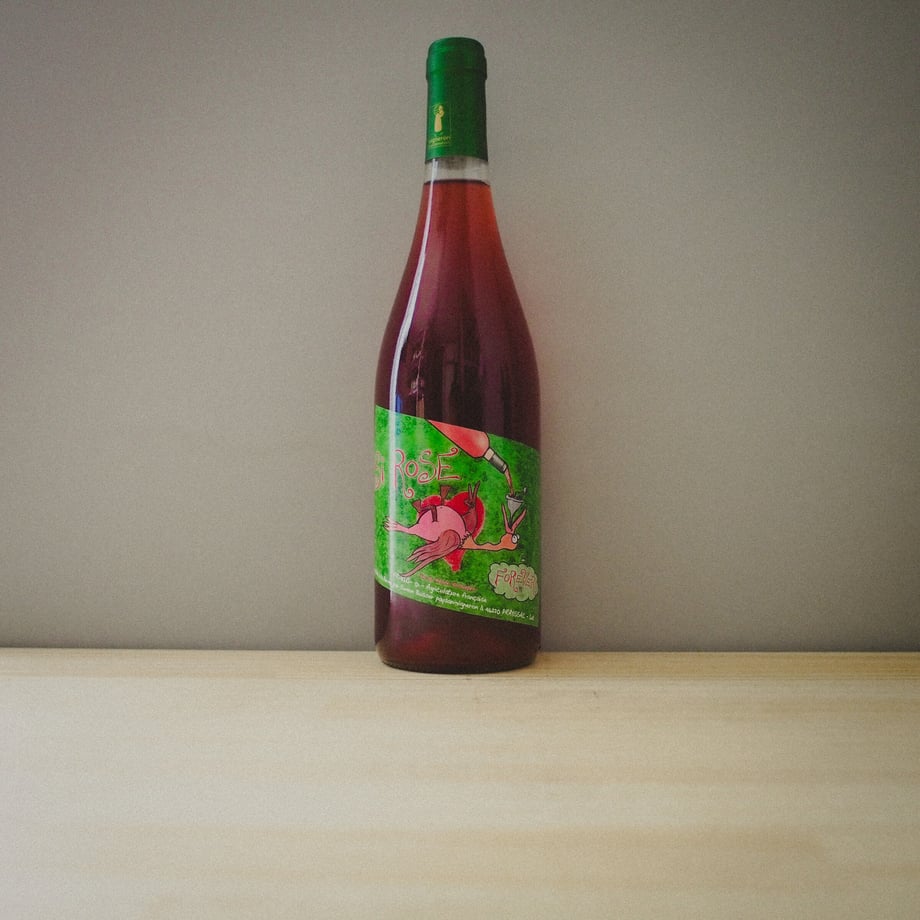
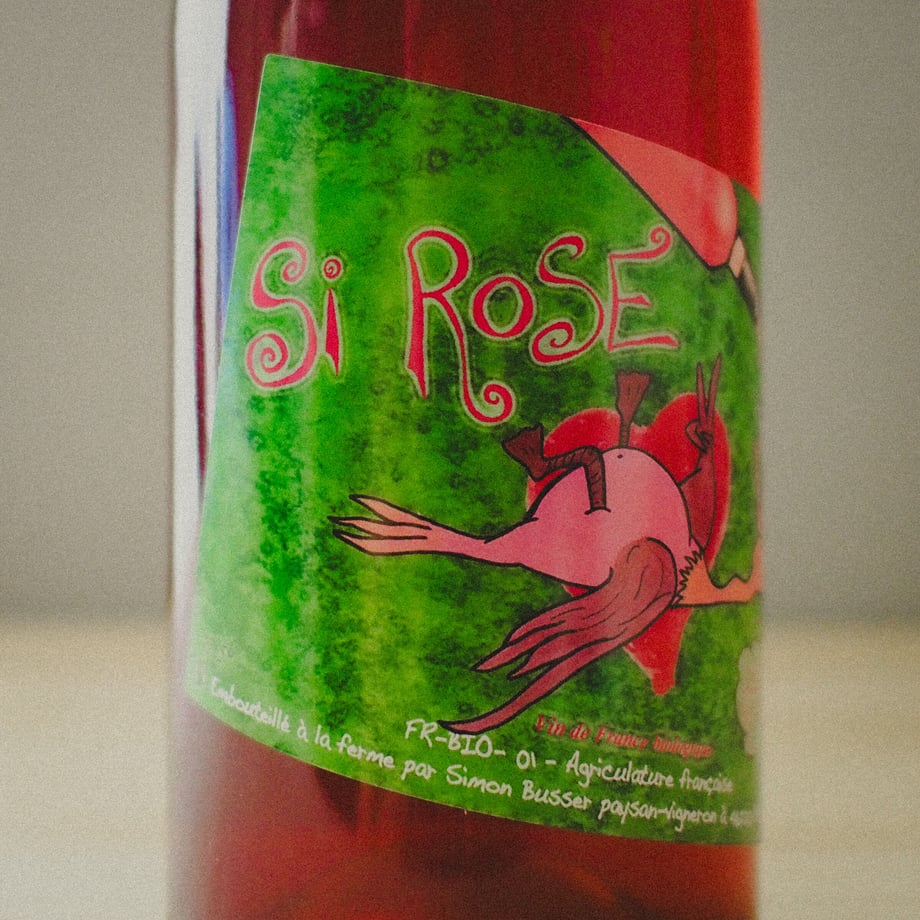
苺ゼリーのような淡い赤色。
グレナデンやクランベリー、フランボワーズを想わせる赤い果実の甘酸っぱい香りに、赤い小さな野バラやローズヒップなど華やいだ香りも加わり香り高く漂います。可愛らしく明るいスタイルであることが香りや色合いからも伺えます。
瑞々しく軽快な飲み心地で、溌剌とした透明感のある果実味が流れるように広がります。
熟した赤い果実のジューシーで甘やかな風味に、赤すぐりやアセロラなどを想わせる酸が感じられ引き締まった印象を与えており、風味豊かな果実味を引き立てながら伸びやかで冷涼感のある辛口の味わいへと導いています。
Pale red color like strawberry jelly.
The nose is fragrant with sweet and sour aromas of red fruits reminiscent of grenadine, cranberry, and raspberry, with floral notes of small red wild roses and rosehips. The lovely and bright style of this wine can be seen from its aroma and color.
The wine is fresh and light, with a lively, transparent fruitiness that flows through the palate.
The juicy, sweet flavors of ripe red fruit are enhanced by an acidity reminiscent of redcurrant and acerola, giving the wine a tight impression that enhances the flavorful fruit and leads to a dry, cool and refreshing taste.
\about Vigneron 生産者について/
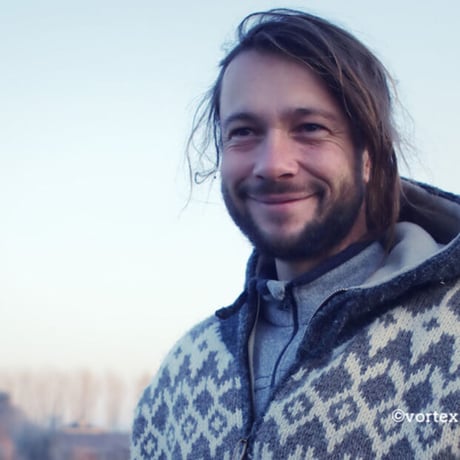
Simon Busser シモン・ビュセー
オーナーであるシモン・ビュセーの父親は、既にビオロジック栽培をしていましたが、醸造設備を持たなかったため、収穫したぶどうは協同組合に販売していました。父が所有し賃貸するぶどう畑の内、一番古い樹齢(1970年)の一部3haのぶどう畑を引き継いで2007年よりワイン造りを開始した蔵元です。
夢は地中海の大平原「カマルグ」で乗馬をして暮らしたい、というほど馬が大好きなシモンは、どうせ農業をするのなら馬で耕そうと考えます。
友人を通して、馬でぶどう栽培をする蔵元として有名なロワールのオリヴィエ・クザンに出会い、手綱さばきの研修を受けました。
今ではボルドー液などの農薬散布以外は全て馬を使って栽培をするようになりました。
「馬は、大地と私の大切な友達。」とシモンは言います。
【栽培・醸造】
そんな彼ゆえ、父から譲り受けたぶどう畑は当然ビオロジック栽培。現在では5haに拡大し、一部でビオディナミも実践している。2007年にエコセールの認証を取得しました。
「産地らしさ」その典型性をワインに表現するには、毎年異なる気候の違いに応じて最高のぶどうを育てること。ぶどうが最後まで熟成する力があるかどうか。そういう点も含めて収穫のタイミングがワイン作りにおいて一番重要だと考えています。「ぶどうがワインになる秘密の通り道がある」のだそう。
収穫の際には、喜び、または歓喜に包まれた雰囲気でぶどうを収穫できると、そのエネルギーがワインの味に影響すると思っています。(J.M.ブリニョも同じ事を言っています。)これは言い換えると労を惜しまず仕事をするということであり、心をこめてぶどう作りをすることにつながります。当然、醸造所での仕事も同じライン上にあります。
シモンの気持ちが皆に伝わるせいか、週末にあわせた3~4日間の収穫には、家族や友人、その家族が集まって50人前後の人が手伝ってくれる。バックラベルには、感謝を込めて収穫者の名前を入れています。
蔵の中での仕事は、できるだけ人為的な介入をしないよう、またポンプを使わないように心がけ、酵母は天然酵母を使い、SO2はできるだけ控えたワイン作りをおこなっています。
The owner, Simon Büsser's father, had already been cultivating biologically, but since he did not have vinification facilities, he sold the harvested grapes to a cooperative. He took over 3 hectares of the oldest vines (1970) of his father's vineyard and started making wine in 2007.
Simon, who loves horses so much that his dream is to live on horseback in the Camargue, a great plain in the Mediterranean Sea, thought that if he was going to farm, he should farm with horses.
Through a friend, he met Olivier Cousin of the Loire, a famous winegrower who cultivates grapes with horses, and received training in reinsmanship.
Now I use horses for everything except spraying pesticides such as Bordeaux.
The horse is my friend and the earth," Simon says.
[Cultivation and brewing]
The vineyard he inherited from his father is naturally biologically farmed. In 2007, the vineyard was certified as "Ecocert".
In order to express the typicality of the region in the wine, it is necessary to grow the best grapes according to the different climatic conditions each year. In order to express the typicality of the region in wine, it is necessary to grow the best grapes according to the different climates each year. I believe that the timing of the harvest is the most important factor in wine making. There is a secret pathway by which the grapes become wine," he says.
He believes that if the grapes are harvested in an atmosphere of joy or exultation, the energy of the harvest will affect the taste of the wine. (J.M. Brignot says the same thing.) In other words, working hard and putting your heart and soul into your grapes. Naturally, the work in the winery is along the same lines.
Perhaps because Simon's feelings are felt by everyone, around 50 people, including family, friends, and their families, come together to help out during the three to four days of harvesting that coincide with the weekend. The names of the harvesters are put on the back label as a token of appreciation.
He tries to work in the cellar with as little human intervention as possible, avoid using pumps, use natural yeasts, and use as little SO2 as possible in our winemaking.
その他のアイテム
-
- クローチ "ヴァルトッラ" ロッソ 2023 | CROCI "Valtolla” Rosso 2023
- ¥4,400
-
- ルイ・ジュリアン "ロゼ" | Louis Julian "Rosé" NV25
- ¥3,025
-
- ジャン・クリストフ・ガルニエ "レ・ヌエット” | Jean-Christophe Garnier "Les Nouettes" 2025
- ¥4,950
-
- クローチ "カンペデッロ フリッツァンテ" 2023 | CROCI "Campedello" 2023
- ¥3,630
-
- ローラン・バーンワルト "シルヴァン・ネトル" | Laurent Bannwarth "Sylvan'etre" 2024
- ¥5,940
-
- ドメーヌ・ジュリアン・プレラ "プレール" | Domaine Julien Prélat Presle 2023
- ¥13,750