
20歳未満の飲酒は法律で禁止されています
【内容量 Net】750 ml
【産地 region】イタリア Italy フリウリ Friuli
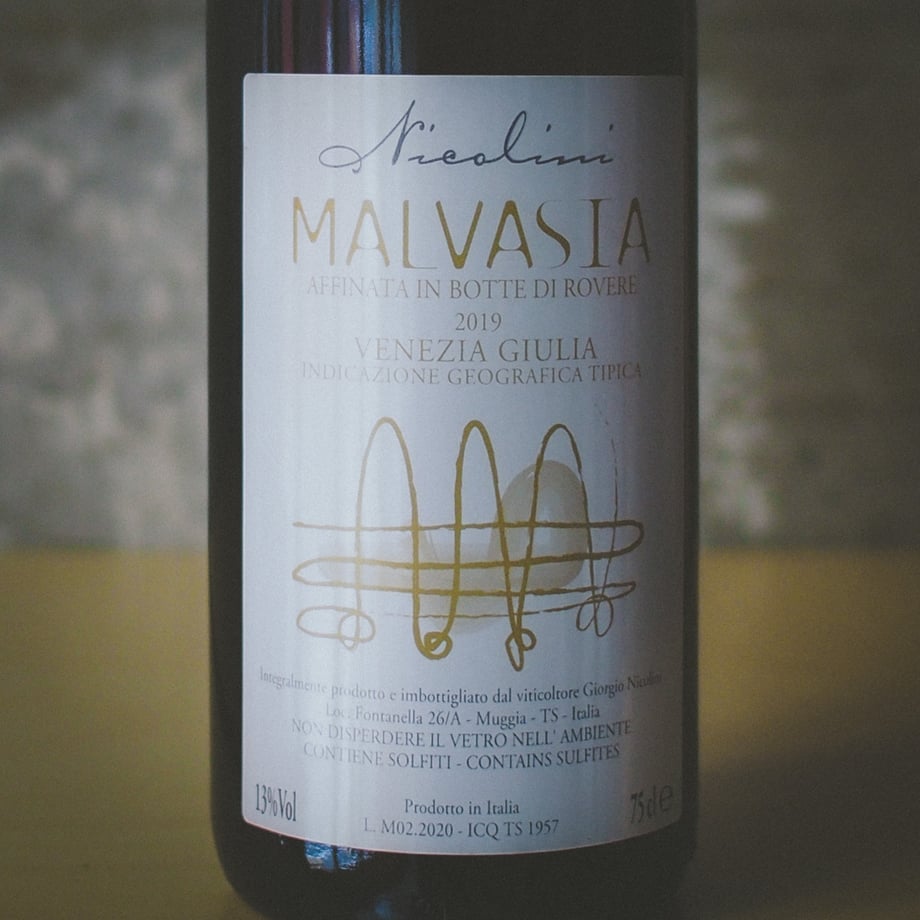
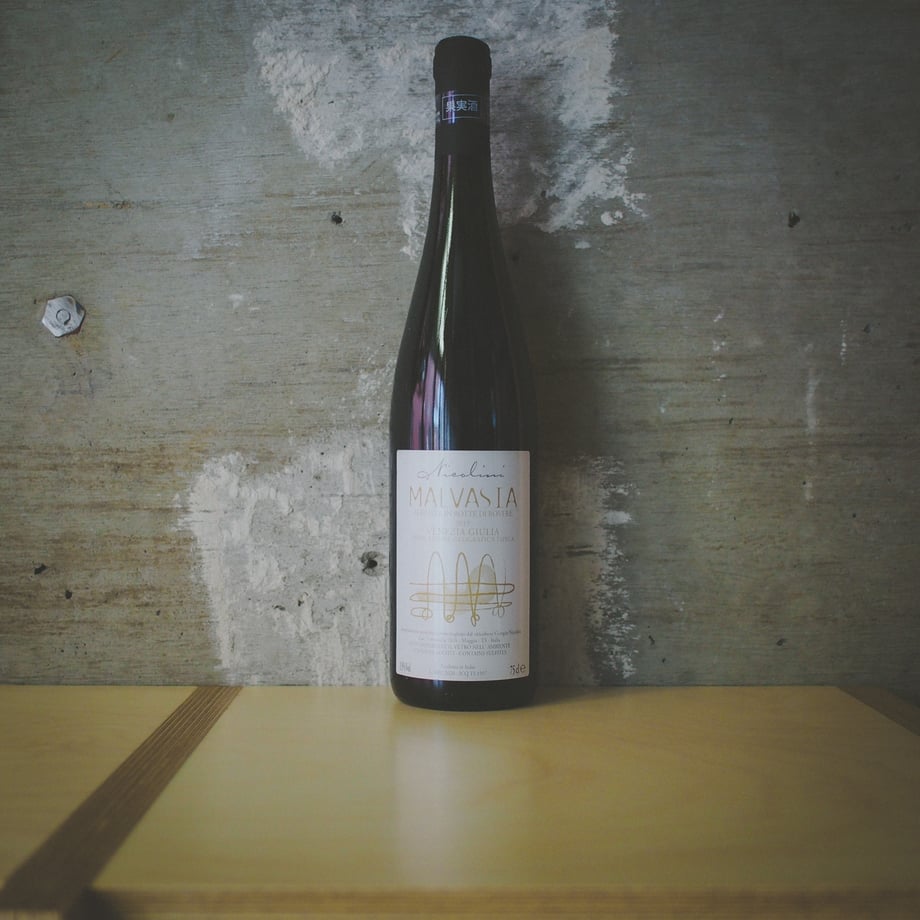
【品種 variety】マルヴァジーア イストリアーナ Malvasia Istriana
【タイプ type】白 (醸し) White/Orange
【醸造 vinification】
収穫後、除梗後木製の開放醗酵槽に入れ、48~60時間のマセレーションとアルコール醗酵、大樽で8ヶ月醗酵の続きと熟成を行い、ノンフィルターでボトリング。
瓶内で1年間ほど熟成させてリリース。
二酸化硫黄は移し替えのタイミングで極少量のみ添加。
年間800本ほどをボトリング。
After harvest, the wine is destemmed and placed in open wooden fermentation tanks for 48-60 hours of maceration and alcoholic fermentation, followed by 8 months of fermentation and ageing in large oak barrels, before bottling unfiltered.
Aged in bottle for about one year before release.
Sulphur dioxide is added only in very small quantities at the time of transfer.
About 800 bottles are bottled per year.
\\about Vigneron 生産者について//
ニコリーニ Nicolini
フリウリの南東部トリエステから南に15km、イストリア半島北部のスロヴェニアとの国境の港町ムッジャは紀元前8世紀ごろには砦(要塞化された村)が作られ、その後も西ローマ帝国をはじめ様々な民族や国家の干渉を受け、統治されてきました。1420年にヴェネツィア共和国の一部となり、1797年のヴェネツィア滅亡後、オーストリア帝国の統治下に入り第二次世界大戦後まで海軍造船業の重要な拠点として繁栄しました。
ニコリーニは、そんなムッジャの港から続く急な坂道を上がった高台の住宅街にある小さな家族経営のワイナリーで、彼らの畑も街を見下ろす丘の上に位置しています。イストリア半島のほとんどの地域と同じく、貝殻などの海洋堆積物が豊富な肥沃な粘土質と砂岩が混じった土壌からなる畑は約2ヘクタールの広さで(家族のための菜園が0.5ヘクタール、ブドウが1.5ヘクタール)、化学的な農薬に頼らない形で栽培を行っています。ブドウの平均樹齢は25年でこの地域の気候や土地をより表現できるのは伝統的な土着品種(※)であるという考えから、数本残っていた樹齢100年を超えるブドウ樹から株分けし、単一で醸造をできるまでに徐々に収穫量を増やしてきました。コンパクトなセラーで使用される二酸化硫黄は最低限のみで、伝統的かつシンプルな仕込みを心掛けています。
※モスカート ジャッロ イストリアーノやボルゴーニャという品種の苗は、苗屋が作っておらず市場に存在しないため、原産地呼称のリストから外れてしまっています。そのため、元々土地に根付いていた品種でありながら、その土地を名乗れない(ワインもvino格付)という現象が起こっています。
ムッジャは、ハムやチーズをつまみながらワインを楽しむ、オスミツァと呼ばれる農家が営む居酒屋が近年まで地域の伝統として残っていた場所で、ニコリーニも古くから豚を飼いハムを仕込み自らのオスミツァで供していました。1918年頃からオスミツァ用のワインの生産を始め70年ほど続けてきましたが、1990年より自家ボトリングをはじめたことからオスミツァの営業は限定的なものになり、今は営業を止め、全てのワインをボトリングし販売しています。また一族の歴史を語る上で欠かすことのできないグラッパ造りは、小型の直火式蒸留機で自らのヴィナッチャを使用して行われ、ビアンコ(透明)とリゼルヴァの2タイプが生産されています。
当主のジョルジョと妻ロッサーナ、息子エウジェーニオの3人によって年間約10000本をボトリングしています。
15 km south of Trieste in south-eastern Friuli, the port town of Mujja on the border with Slovenia in northern Istria was founded as a fort (fortified village) around the 8th century BC and has been ruled since then by various peoples and states, including the Western Roman Empire, which interfered with it. 1420 Venice became a After the fall of Venice in 1797, the city came under the Austrian Empire and flourished as an important centre of naval shipbuilding until after World War II.
Nicolini is a small family-run winery located in a residential area on high ground, up a steep hill leading from the port of Muggia, and their vineyards are also situated on a hill overlooking the city. The vineyards, which, like most of Istria, consist of fertile mixed clay and sandstone soils rich in shells and other marine deposits, cover an area of approximately 2 ha (0.5 ha for the family vegetable garden and 1.5 ha for the grapes) and are cultivated in a way that does not rely on chemical pesticides. The average age of the vines is 25 years and, in the belief that it is the traditional indigenous varieties* that are more expressive of the region's climate and land, the few remaining vines over 100 years old have been split and the yield gradually increased until the vines can be vinified on their own. The compact cellar uses only minimal sulphur dioxide, and the winemaking process is traditional and simple.
*Seedlings of the Moscato Giallo Istriano and Borgogna varieties have been dropped from the list of appellations of origin because they are not produced by nurseries and do not exist on the market. This has led to the phenomenon of varieties that were originally rooted in the land, but cannot be named after the land (and the wine is also vino rated).
Murgia is a place where, until recently, there was a regional tradition of farmer-owned taverns called osmitsa, where people enjoyed wine with ham and cheese, and Nicolini also kept pigs and prepared ham to serve in his osmitsa. Since 1990, the business of osmitsa has been limited as the family started its own bottling, and now it has ceased to operate and all its wines are bottled and sold. Grappa, an integral part of the family's history, is made using the family's own vinaccia in a small open-flame distiller and is produced in two types: bianco (clear) and riserva.
The owner, Giorgio, his wife Rossana and son Eugenio bottle about 10 000 bottles a year.
その他のアイテム
-
- レグラッピーユ "グリ" | L’egrappille G(U)RI 2023
- ¥6,600
-
- イル ヴェイ ビアンコ | Il Vei Bianco 2023 (1500ml)
- ¥4,180
-
- ジャン・クリストフ・ガルニエ "アンフォール” | Jean-Christophe Garnier "AMPHORE" 2023
- ¥9,680
-
- レ・ゴーシェ "レルブ・タンドル" | Les Gauchers "L'Herbe Tendre " 2022
- ¥6,380
-
- ブルノ・デュシェン "マルテス・ブラン" | Bruno Duchene "Corpo Maltesse Blan" 2025
- ¥7,700
-
- イル ヴェイ ロッソ | Il Vei Rosso 2023 (1500ml)
- ¥4,180