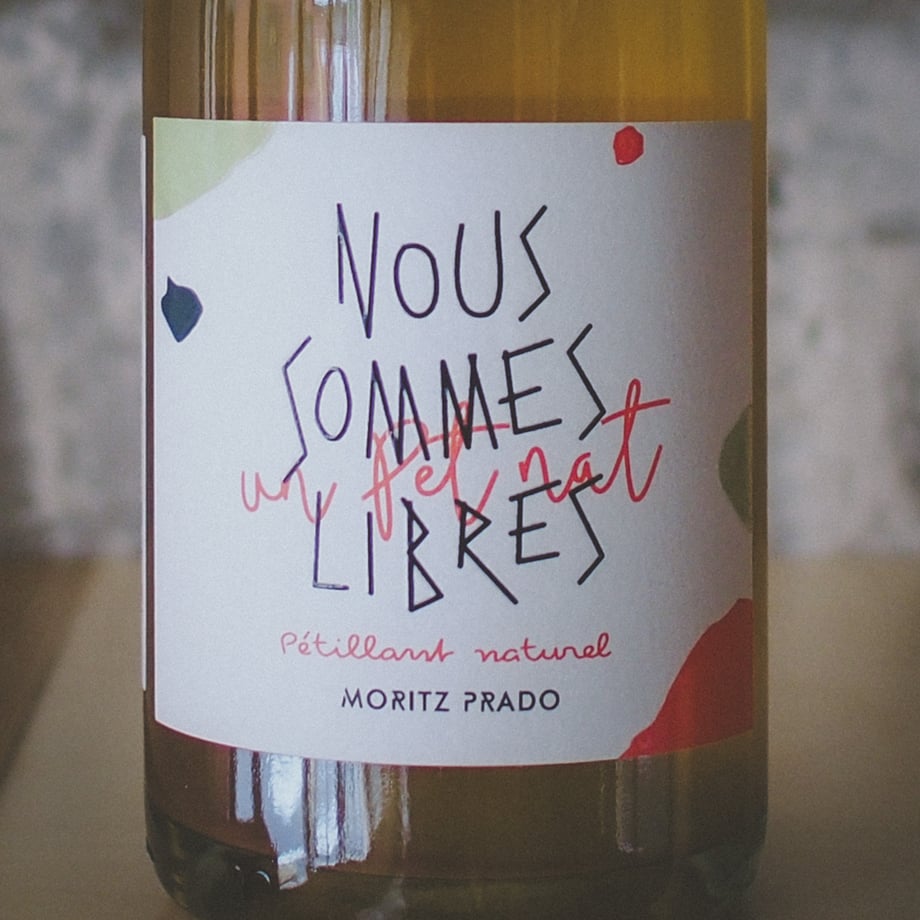
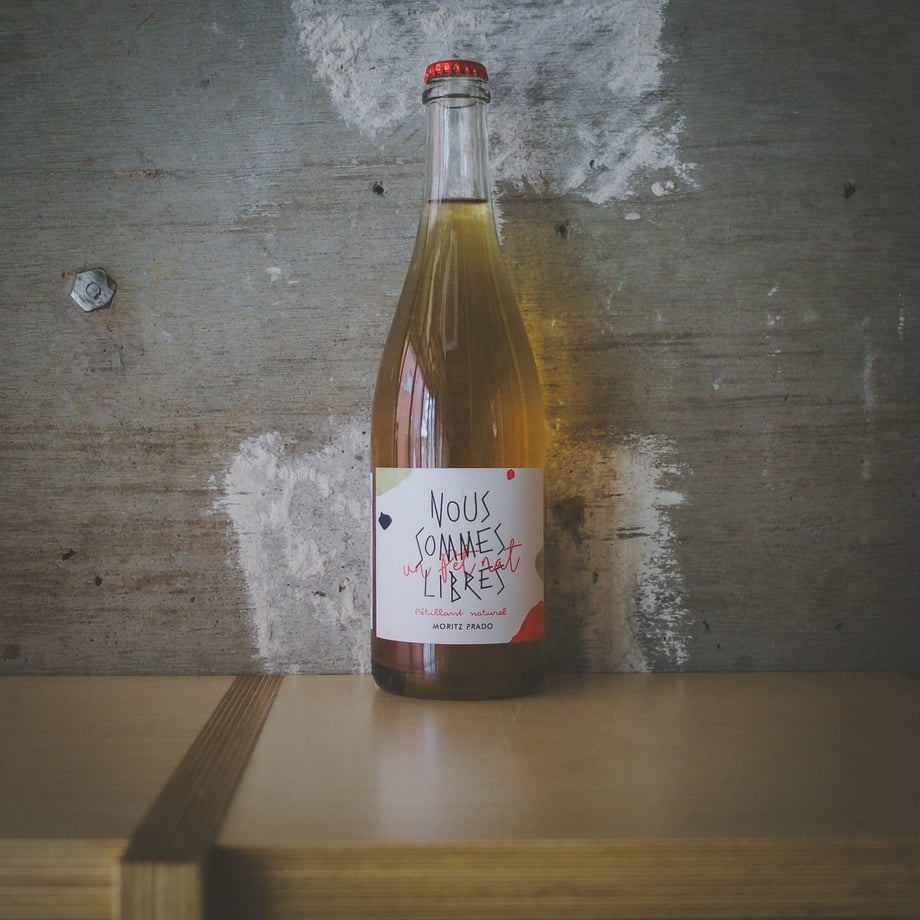
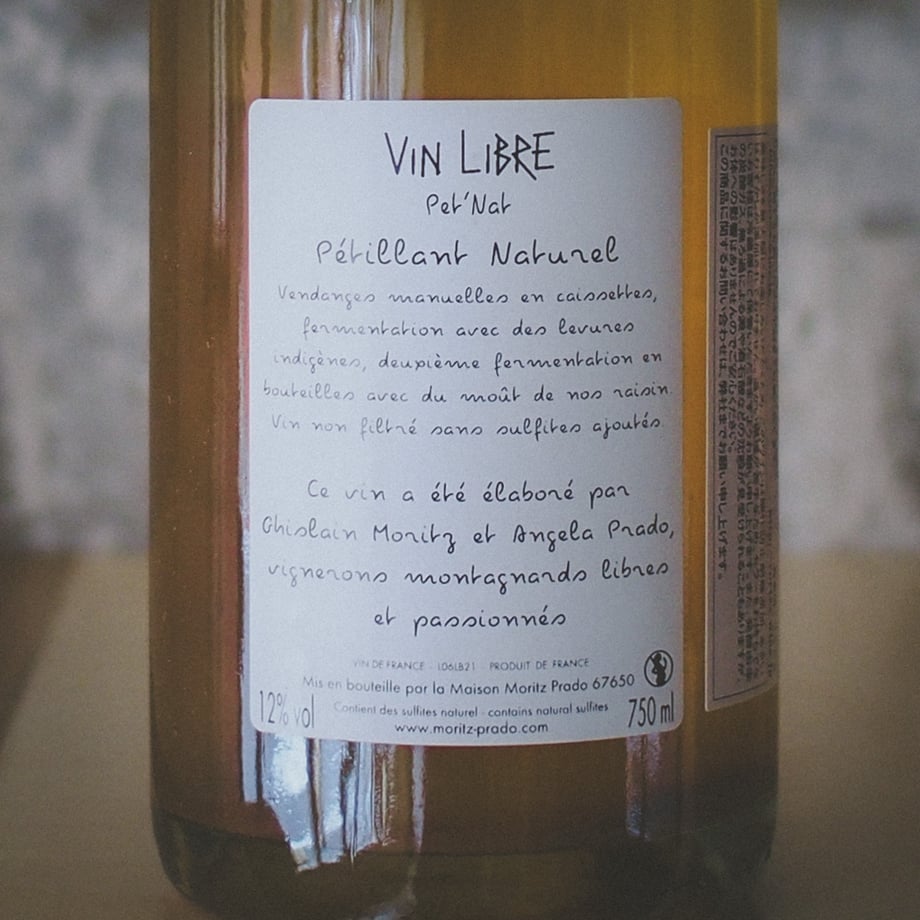
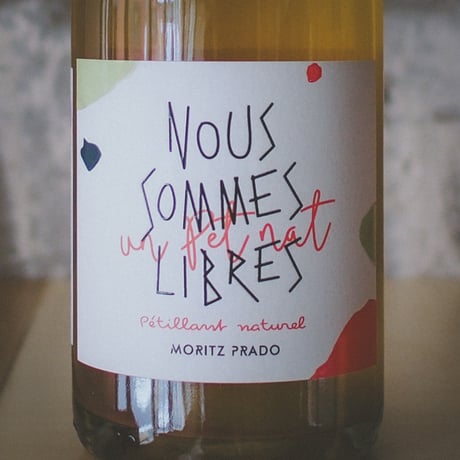
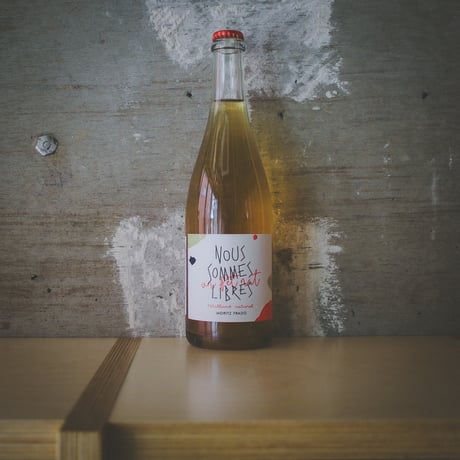
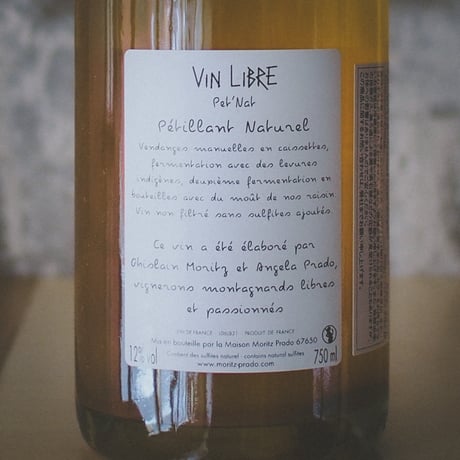
モリッツ・プラド "ヌ・ソンム・リーブル・ペットナット" 2021 | Maison Moritz Prado "Nous Sommes Libres Pet Nat" 2021
4,180円
20歳未満の飲酒は法律で禁止されています
【内容量 NET】750ml
【産地 region】フランス France アルザス Alsace
【使用品種 variety】ピノ・ブラン Pinot Blanc 30%、ピノ・グリ Pinot Gris 30%、リースリング Riesling 20%、ゲヴェルツトラミネール Gewürztraminer 10%、ピノ・ノワール Pinot Noir 10%
【タイプ type】白微発泡 white, PetNat
【醸造 vinification】
ゲヴェルツトラミネールは全房で7日間のマセラシオン。その他の葡萄はダイレクトプレスしてステンレスタンクで6ヶ月間の発酵と熟成。
冷凍しておいたゲヴェルツトラミネールのフリーランジュースを加えて二次発酵。
ノンデゴルジュマン。品名はペットナットですが二次発酵させています。
Gewürztraminer is macerated for 7 days on whole bunches. Other grapes are direct pressed and fermented and matured in stainless steel tanks for 6 months.
Secondary fermentation with frozen Gewürztraminer free-run juice.
Non-degorged. The product name is Pet Nat, but it is second fermented.
\\from Importer インポーターコメント//
濁りのあるややオレンジがかった濃い黄色。
黄桃や黄プラム、ミラベル、りんごやパイナップルのコンフィチュール、安政柑などの柑橘やピール香りに、レモングラスやヴェルヴェンヌ、カモミールなどのドライハーブやドライフラワーのニュアンスが加わり複雑性や深みが感じられます。
僅かにとろみがかった様子が伺えますが、口中では気になることはありません。
柑橘の粒が弾けるようなキレのある酸とピリピリと舌を刺激する程度の細かな泡を伴い、黄色の果肉を持つ果実の甘酸っぱい風味が軽快に広がります。
空気に触れると色合いは褐変しやすく、その変化とともにドライアプリコット、レモングラスやオレガノなどのドライハーブ、台湾ウーロン茶などを想わせる風味が重なり、更に深みが奥行き、複雑性に富んだ味わいが引き立ちます。
時間の経過で果実味は酸化的になりやすいため、抜栓後は日数をかけずにお楽しみいただくことをお勧めいたします。
Dark yellow with a cloudy, slightly orange-tinged colour.
Citrus and peel aromas of yellow peach, yellow plum, Mirabelle, apple and pineapple confiture, and ansei citrus, with dried herb and dried flower nuances such as lemongrass, vervain and chamomile, give the wine complexity and depth.
There is a slight hint of thickening, but this is not noticeable on the palate.
The wine has a crisp, citrus-grained acidity and fine bubbles with just enough tingle to stimulate the tongue, and the sweet and sour flavours of the yellow-fleshed fruit unfold lightly.
The colour tends to brown with exposure to air, and as it does so, flavours reminiscent of dried apricots, dried herbs such as lemongrass and oregano, and Taiwanese oolong tea are layered on top of each other, further deepening and enhancing the complexity of the palate.
As the fruit tends to become oxidised with time, it is recommended that the wine be enjoyed after bottling.
\\about Vigneron 生産者について//
メゾン・モリッツ・プラド Maison Moritz Prado
Maison Moritz Pradoは2018年からアルベという人口約500人の小さな村でワイン造りをしています。
フランス人の夫のギラン・モリッツは過去にポルトガルのDomaine Conceitoで収穫作業、ブルゴーニュのDomaine Devillardに5年間勤務後、ルーマニアのDomaine Avincisで7年間総合責任者を務めるなど、豊富な経験を持ちます。コロンビア人の妻のアンジェラ・プラドは金融の修士号を持ち、当初は金融の世界でキャリアスタートを切りましたが、ギランとの出会い機にルーマニアに移り、ギランと共にドメーヌでワイン造りの経験を積みました。その後二人は独立を決意し、フランス国内でブルゴーニュ、ボルドー、ロワールなど畑を探し回りましたが、近年気候が及ぼす大きな影響やワインの好みなどを考慮し、総合的に過小評価されていたアルザスを選びました。
その中でもアルベは非常に小さいアペラシオンに関わらず、すり鉢状の内側に位置する畑の標高は約350m〜500mで冷涼な気候で、土壌の性質は主にシストというワインに冷涼感が出やすい環境です。ぶどうの生育が平地と比べて約2週間ほど遅く、開花時期の霜の影響が比較的低く毎年安定した収穫が出来る傾向にあるところも大きな魅力です。
強い冷涼感のあるワインを好む二人は、特に近年の地球温暖化に対応できているこの理想的な条件から、自身が納得のいくワインを造る事ができるこの土地のポテンシャルに魅了されドメーヌ設立に至りました。彼らのワインには、常にとても笑顔でエネルギッシュな二人の明るい面と、非常に真面目な部分の両方が写し出されているように感じます。自然に対して大きなリスペクトを払う彼らは、フランス全体のヴィンテージ毎の特徴というよりは、アルベ単体のその年とテロワールの特徴を最大限表すようにワインを造ります。今後の将来にも更に期待が高まる生産者です。
●畑及び栽培
アルベには約60〜70haの畑があり、内2/3がシスト(ミルフィーユ状及び石のような高密度形状)、残り1/3が花崗岩やマルヌカルケール、砂など。モリッツ・プラドは4.85haの畑を所有し、100%シスト土壌。AOCの中でも一番標高の高い450m付近に大部分の区画を持ちます。すり鉢状という特性上、一度雲がこのエリアに入ると滞留しやすく、通念雨量を確保しやすい傾向にあります。例えば、フランスが特に干ばつの問題を抱えた2022年夏は、8月半ばに1週間で7mmのみの雨量に対して、この山の中では6倍強の45mmの雨が降るなど。畑は2018年に引き継いだ後すぐにビオに転換され、2020年以降ビオディナミ農法でぶどう栽培を行っています。
土壌に関して、根の密度と保水性のバランスを最大限保つために葉は1列毎のみ切り、もう片方は軽量な機械でロールのみを行い、耕す部分はぶどうの木の根元のみです。作業が比較的容易な区画では馬も使用します。
●醸造
ステンレスと樽、ジャーの3種類の熟成タンクを使用し、キュヴェによってはこの3つ全てをアッサンブラージュします。キュヴェ毎の特徴はそのヴィンテージとぶどうの熟し具合に合わせた醸造及び熟成を行い表現されます。泡に関しては初ヴィンテージから36ヶ月間瓶内澱接触のミレジメを試み、とても良い仕上がりになっています。ペットナットに関しても一度辛口ワインを造り、収穫後のプレス時に一部凍らせたジュースを使い瓶内二次発酵させるなど、畑と同様に醸造でも手間を惜しまず作業します。
Maison Moritz Prado has been making wine since 2018 in Albe, a small village with a population of about 500.
Her French husband, Guilan Moritz, has a wealth of experience, having previously worked in the harvest at Domaine Conceito in Portugal, five years at Domaine Devillard in Burgundy, and seven years as general manager at Domaine Avincis in Romania. His Colombian wife, Angela Prado, has a master's degree in finance and initially started her career in the financial world, but moved to Romania when she met Gilan, where she gained winemaking experience on the estate with him. The pair then decided to set up on their own, and scoured France for vineyards in Burgundy, Bordeaux, the Loire, etc., but chose Alsace, which had been underrated overall in recent years due to the huge impact of climate and their wine tastes.
Among them, Albée, despite being a very small appellation, has a cool climate with vineyards located inside a mortar shape at an altitude of approximately 350m-500m, and the soil is mainly schist, which tends to produce cooler wines. The grapes grow about two weeks later than in the plains, and the relatively low impact of frost during the flowering period tends to ensure a stable harvest every year.
The duo, who prefer wines with a strong coolness, were attracted to the potential of the site to produce wines they were happy with, especially given the ideal conditions that have allowed them to cope with the recent global warming, and they set up the estate. Their wines seem to reflect both the cheerful side of these two energetic people, who are always smiling, as well as their very serious side. They have great respect for nature and make wines that best express the characteristics of the year and terroir of Albée alone, rather than the characteristics of each vintage in France as a whole. The future holds even greater promise for this producer.
● Vineyards and cultivation
Albe has approximately 60-70 ha of vineyards, 2/3 of which are schist (mille-feuille and stony dense) and the remaining 1/3 granite, marne calcaire and sand. Moritz Prado has 4.85 ha of vineyards, 100% schist soil, with the majority of plots at around 450 m, the highest altitude in the AOC. Due to its mortar-like nature, once clouds enter the area, they tend to stay and ensure a customary rainfall. For example, in the summer of 2022, when France had particular drought problems, 45 mm of rain fell in this mountain, more than six times the amount in mid-August, compared to only 7 mm in one week. The vineyard was converted to bio soon after it was taken over in 2018 and has been cultivated biodynamically since 2020.
With regard to the soil, leaves are cut only per row to maintain a maximum balance between root density and water retention, the other side is only rolled with lightweight machinery, and the only part that is ploughed is at the base of the vines. Horses are also used on plots that are relatively easy to work.
● Vinification
Three types of ageing tanks are used: stainless steel, barrels and jars, and depending on the cuvée, all three are used in an assemblage. The characteristics of each cuvée are expressed through vinification and maturation according to the vintage and ripeness of the grapes. For the bubbles, the first vintage was followed by a 36-month lees contact in the bottle, which has resulted in a very good finish. For PETNAT, the vinification is just as painstaking as the vineyard work, with dry wines once made and a second fermentation in the bottle using juice that was partly frozen during the pressing after the harvest.
その他のアイテム
-
- アドリアン・ブリソー Hadrien Brissaud "Santenay 1er Cru Le Petit Clos Rousseau" 2024
- ¥24,200
-
- ジャン・クリストフ・ガルニエ "アンフォール” | Jean-Christophe Garnier "AMPHORE" 2023
- ¥9,680
-
- ラ・ヴィーニュ・デュ・ペロン "ペルサンヌ" | La Vigne du Perron "Persane" 2023
- ¥8,800
-
- シャノパーニュ・マブ "レ・プティ・プレヴォー" | CHAMPAGNE MABE Les Petits Prévost
- ¥18,700
-
- ラ・ヴィーニュ・デュ・ペロン "エタップ" | La Vigne du Perron "Etapes" 2022
- ¥8,800
-
- ジャン・クリストフ・ガルニエ "ラ・ロッシュ・ベジゴン” | Jean-Christophe Garnier "LA ROCHE BEZIGON" 2024
- ¥6,820