20歳未満の飲酒は法律で禁止されています
*おひとりさま一点までのご案内です。One bottle per person.
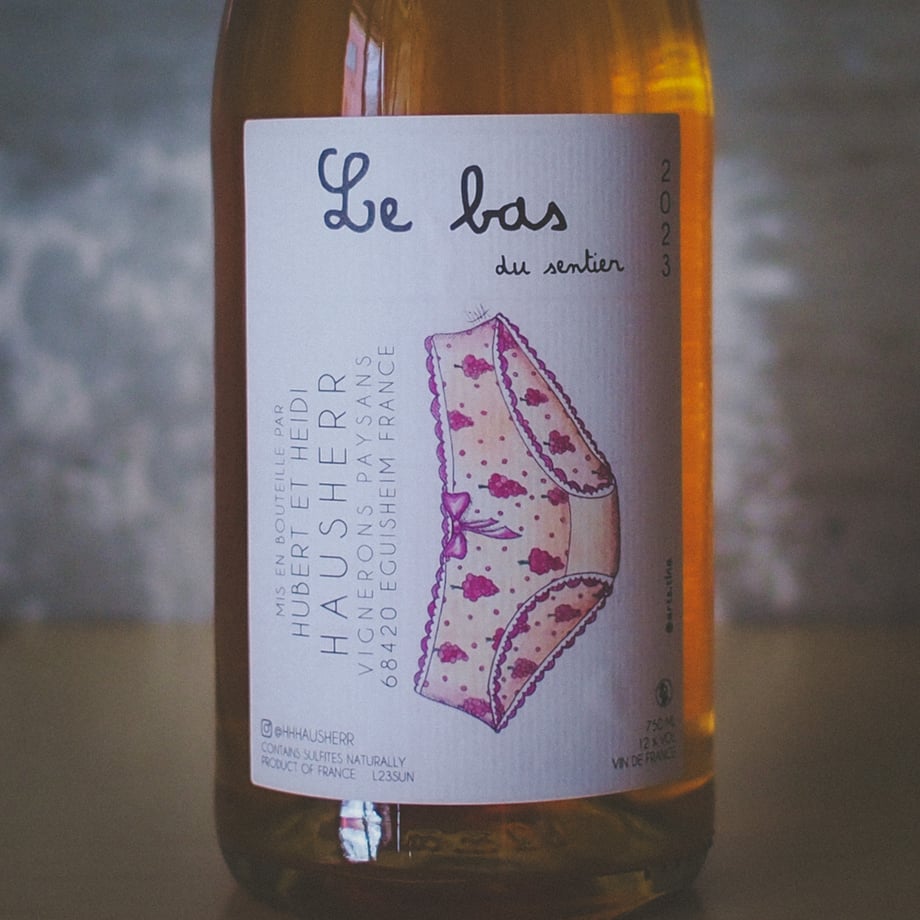
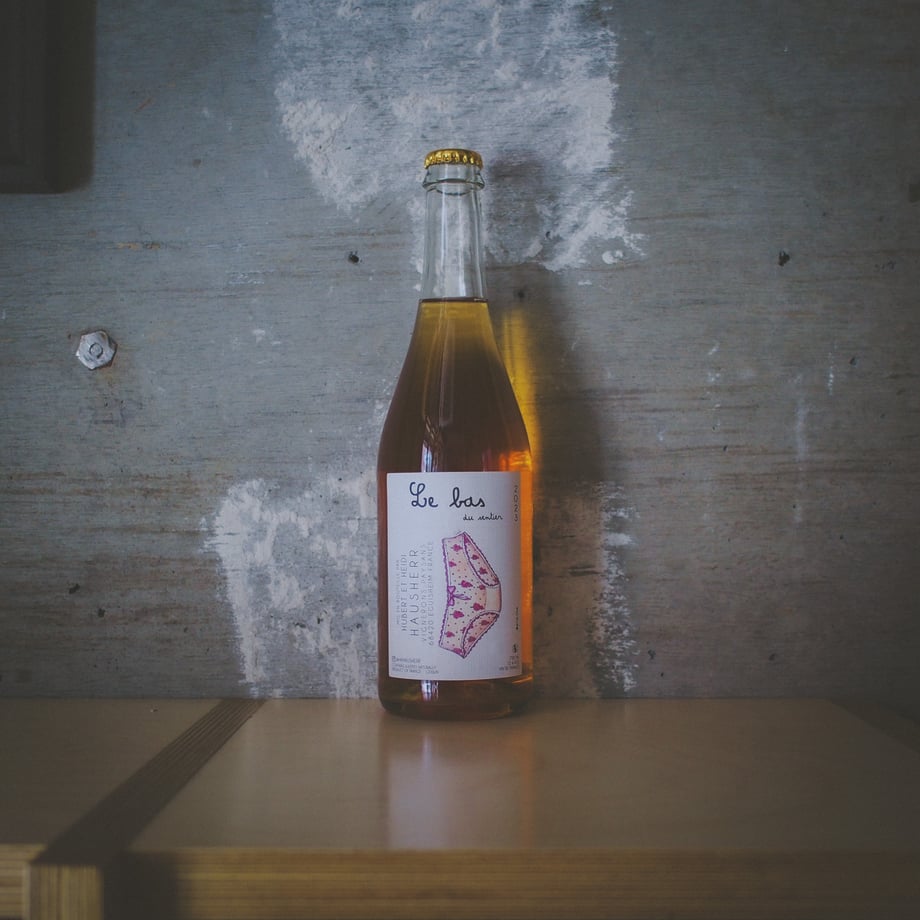
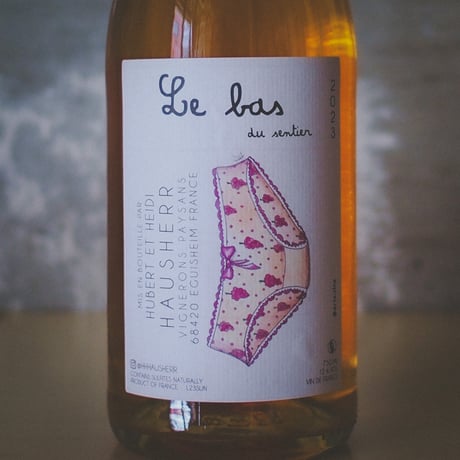
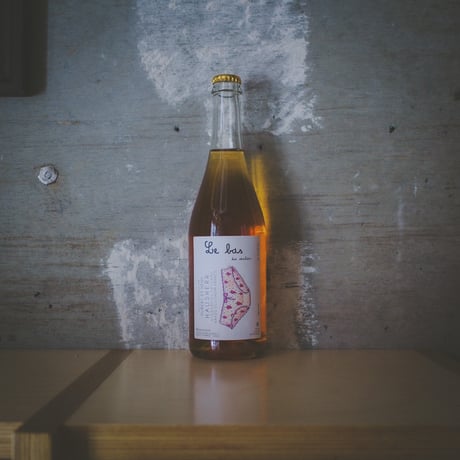
【内容量 Net】750ml
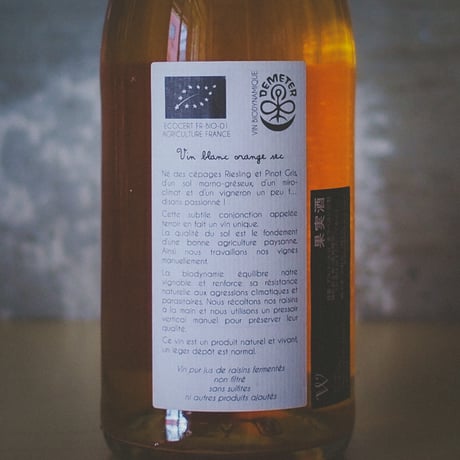
【産地 region】フランス France アルザス Alsace
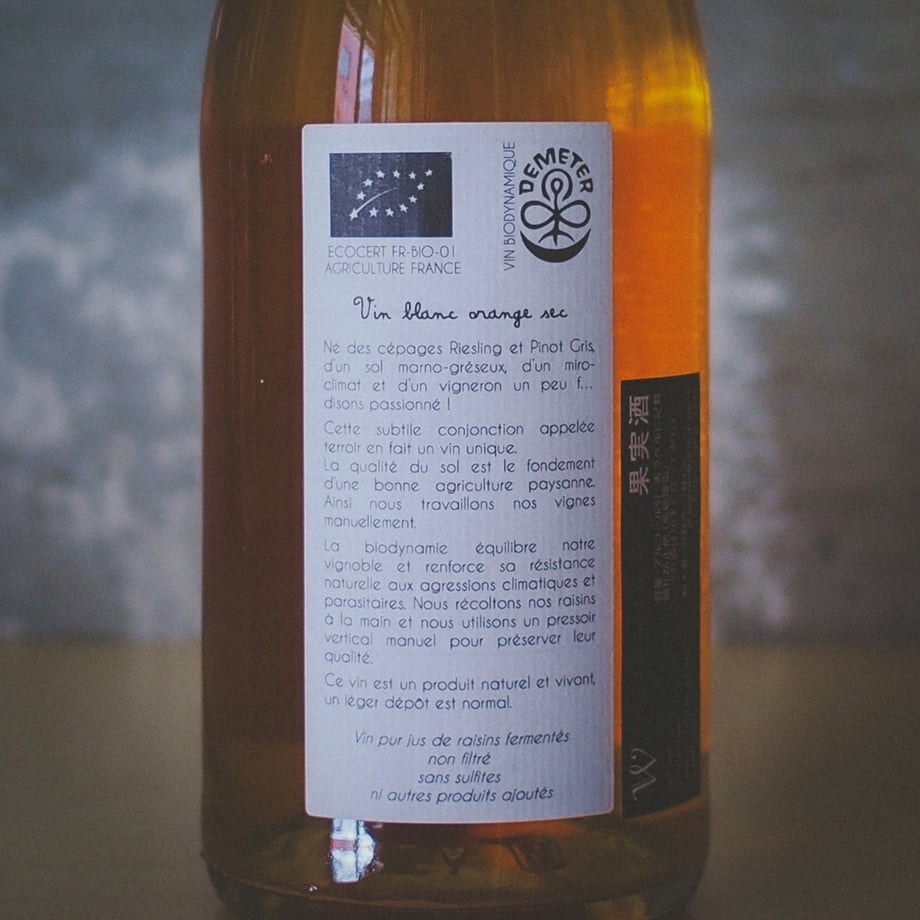
【品種 variety】リースリング Riesling、ピノ・グリ Pinot Gris
【タイプ type】白・アンバー white/amber
\\from Importer インポーターコメント//
豊かな山吹色、濃密なトロピカルフルーツのアロマ、ハイトーンの酸味と豊かな味わい、果実味と酸味のバランス、ポテンシャルが凄すぎて将来の姿も興味津々!
A rich golden yellow colour, intense aromas of tropical fruit, bright acidity and a full-bodied flavour; the balance between fruitiness and acidity is superb, and its potential is so great that I’m really looking forward to seeing how it develops!
\\about Vigneron 生産者について//
Hausherr オシェール
産地:アルザス地方/エギスハイム Alsace region / Egisheim
「リューディ(区画)ごとのワイン」
コルマールの近くの村、エギスハイムで何代にも渡り家族経営されてきたドメーヌ。現当主ユベール・オシェールの祖祖父の代は、ブドウを栽培し、ワイン造りも行っていました。そして当時の多くの農家と同様に、穀物作りや家畜を育てる複合農業を営んでいました。農場を引き継いだ祖父セレストは、第二次世界大戦の後、ワイン販売が困難になったためワイン造りをあきらめ、栽培したブドウを協同組合に出荷するようになりました。
父、ベルナールの代に蔵は大きくなり、1984年にユベールが、その2年後には弟が父を手伝うようになりました。協同組合での経営は順調でしたが、ユベールは、丹念に育てたブドウがその良さを表現することなくワインになってしまうことに欲求不満を感じだしました。「何か違う」「自分が育てたブドウでワインをつくってみたい」この願望がいよいよ強くなって、1999年に自然派ワインの蔵元から専門知識を教わり、自分たちが思い描くワイン造りを確信しました。
そして2000年に、ついに妻のエイディと組合を離れて自社で醸造からビン詰めまですることを決断したのです。しかしユベールの弟は協同組合に残ることを選んだため、この蔵は2つに分割されました。
ユベール夫妻は4haの畑を引き継ぎましたが、農機具が全くなくなってしまいました。二人はこのハンデを契機にして、テロワールを尊重した。ブドウ栽培をするために化学物質を一切使わない農業を選択し、手作業によるブドウ栽培を始めました。それは祖父の時代には当たり前の農業でしたが、近代化された現代では“奇妙な”方法だと思われています。「生きた土作り」をするには、馬で耕す方が良いと思い、請負業者に頼んでいましたが、定期的な耕作ができない不便さがありました。そこで土を固めないようにと小型の耕運機を購入して4年ほど過ぎたころ、やっと一頭の馬(スキッピー)を入手することができました。
それ以来、自分たちで馬と一緒に耕作しています。
2000年に実家のすぐ隣にある建物を購入して、ワイン醸造所と熟成庫として手を加え、初ヴィンテージを仕込みました。テクニックとしての「醸造技術」は複雑で不自然ということで、昔ながらのワイン造りを目指しました。
ブドウを手摘みして、ゆっくりと圧搾した後、天然酵母による発酵に移ります。その後は細かな澱と一緒に、ワイン自体のリズムを尊重した熟成を行うというものです。
しかしワインを造っても誰が買ってくれるのか?顧客を全く持っていない状況で、ワイナリーを興すことはとてつもなく大きな不安がありました。それを乗り越えられたのは、いくつか理由があります。
祖父セレストのカーヴに入る機会があったこと。使われなくなった圧搾機や発酵槽などを目の前にして感動。
ワインを試飲して、それができた背景を思いめぐらせることに強い興味があったこと。
一番大きな理由は、父や弟と共に「いつか自分たちのワインを造りたい」と話していたこと。結局この夢は違う形で実現することに。
そしてエイディが収穫のアルバイトに来て出会ったこと。彼女は蔵に残って結婚し、2年後に協同組合から独立しました。
〈栽培・醸造〉
完成したワインの品質は、原料となるブドウの品質が大きく影響します。優れたワインを造るには品質の高いぶどうを得ることができるか?酸味と糖分、タンニン成分がバランスよく成熟するまで待つことができるのか?という点が大事です。そのためには収穫量をコントロールしなければなりません。アルザス地方では1ha当たり80hlの収量まで認められていますが、収量が多いと残念ながら品質は落ちてしまいます。オシェールでは単位面積の収量を30~50hlまで抑えることによって、香味が豊かでエキス分がしっかりとしたブドウが育ちます。
醸造は少量のSO2を使う以外は、醸造テクニックを使わない。19世紀に使われていた手動の垂直型木製圧搾機を使いゆっくりと丁寧な圧搾をして、コロイド状の物質が混ざらない澄んだ果汁を得るようにしています。
'Wine by rudi (parcel)'
The estate has been family-owned for generations in Egisheim, a village near Colmar. The grandfather of the current owner, Hubert Aucher, was a grape grower and winemaker. Like many farmers of the time, he also ran a combined farming business, growing grain and rearing livestock. After taking over the farm, his grandfather Céleste gave up winemaking after the Second World War, when it became difficult to sell wine, and began shipping the grapes he grew to cooperatives.
The cellar grew in size under his father, Bernard, and Hubert joined him in 1984, followed two years later by his brother. The cooperative was doing well, but Hubert began to feel frustrated that his carefully cultivated grapes were being turned into wine that did not express their qualities. In 1999, he learnt about the expertise of a natural wine cellar and became convinced that he could make the kind of wine he wanted to make.
Finally, in 2000, he and his wife Eydie decided to leave the cooperative and do everything from vinification to bottling on their own. However, Hubert's brother chose to stay with the cooperative, and the cellar was split in two.
Hubert and his wife took over the 4 ha of vineyards, but they lost all their farming equipment. The pair used this handicap as an opportunity to respect the terroir. They opted for chemical-free agriculture for their viticulture and began to cultivate the vines by hand. It was a normal way of farming in their grandfather's time, but in modernised times it is considered a 'strange' method. He thought that it would be better to cultivate the soil with horses to "create living soil", so he hired a contractor, but this was inconvenient because he could not cultivate the land regularly. So we bought a small cultivator to keep the soil from hardening, and after about four years we were finally able to acquire a horse (Skippy).
Since then, we have been ploughing with the horse ourselves.
In 2000, we bought a building right next to my parents' house, modified it as a winery and ageing cellar and prepared our first vintage. We aimed to make wine the old-fashioned way, as 'oenology' as a technique is complex and unnatural.
The grapes are hand-picked and slowly pressed before fermentation with natural yeasts. The wine is then matured with the fine lees, respecting the rhythm of the wine itself.
But even if you make wine, who will buy it? There was tremendous uncertainty in starting a winery when we had no customers at all. I was able to overcome this for several reasons.
The opportunity to enter my grandfather Celeste's caves. I was moved to see the disused presses and fermentation vats.
A keen interest in tasting wines and pondering the context in which they were made.
The biggest reason was that he and his father and brother had talked about wanting to make their own wine one day. Eventually this dream came true in a different way.
And that Eydie met him when she came to work part-time harvesting. She stayed on in the cellar, got married and two years later left the cooperative to set up her own business.
[Cultivation and vinification]
The quality of the finished wine is greatly influenced by the quality of the grapes used as raw material. Can you get quality grapes to make excellent wine? Can we wait until the grapes reach maturity with a good balance of acidity, sugar and tannin components? This is important. To achieve this, the yield must be controlled. In Alsace, yields of up to 80 hl per hectare are permitted, but higher yields unfortunately result in lower quality. At Auchères, yields are limited to 30-50 hl per unit area, which results in grapes that are full-flavoured and extractive.
Vinification uses no vinification techniques other than a small amount of SO2, and slow, careful pressing using a manual vertical wooden press from the 19th century to obtain a clear juice free from colloidal substances.
その他のアイテム
-
- ドゥ・ヴァン・オー・リアン "モラ" | Du Ⅴin Aux Liens "Mora” 2023
- ¥5,940
-
- ラ・ヴィーニュ・デュ・ペロン "カタリナ" | La Vigne du Perron "Katarina" 2023
- ¥8,800
-
- ドメーヌ・ド・ラ・レジェルテ "プリムール" | DOMAINE DE LA LÉGÈRETÉ "PRIEMUR" 2025
- ¥4,180
-
- レ コステ ロッソ | Le Coste Rosso 2022
- ¥5,170
-
- フォンテディクト ピルエット | Fontedicto (Bernard&Cecile Bellahsen) "Pirouette" 2019
- ¥7,260
-
- ドメーヌ・ジュリアン・プレラ "シャントメール" | Domaine Julien Prélat Chantemerle 2023
- ¥13,750